The weeks zip by, quick as meteors in the night.
It’s been a while since your intrepid astronomer planted his sack of potatoes beneath the starry night. Clouds, travel, moon-washed evenings, and life all sometimes conspire to keep us from what we love doing. When the doing arrives again, cosmic serenity seeps in to remind us why we have a lifelong romance with the stars.
FIRMWARE UPDATE
ZWO, the company that makes the SeeStar S50, the dandiest and most versatile photon bucket I’ve ever owned, keeps improving the performance of this instrument with periodic firmware updates. Responding to customer requests, the technicians at ZWO developed an update that greatly expands the field of view of what SeeStar customers can photograph. Called Mosaic, the feature allows users to frame what they want to shoot, gives an estimate of how long that shot is going to take, and then goes to work sweeping up photons to get a better, more complete view of what is being photographed.
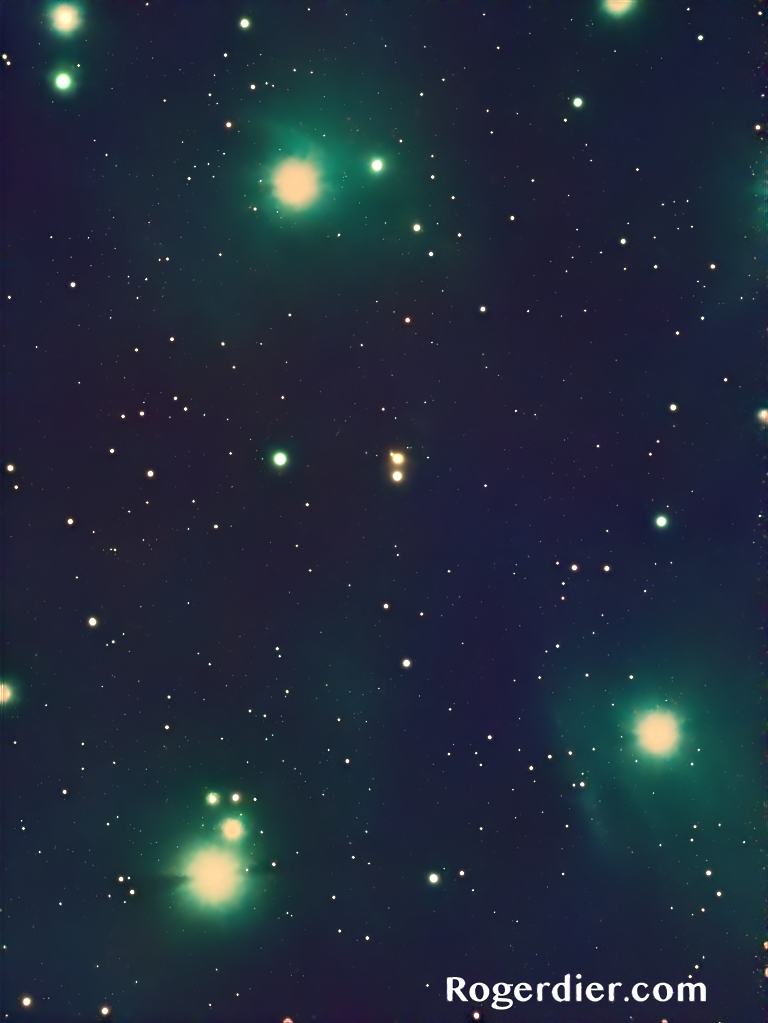
Case in point. One of the first things I shot when my SeeStar arrived a year ago was the Pleiades, also known as The Seven Sisters. The asterism climbs up the eastern sky in late fall. This time of year, at 44 degrees north latitude, it’s halfway up between the horizon and the zenith at 6 p.m CST. The field of view of the SeeStar without Mosaic is roughly 1.25 degrees high and .75 degrees wide.
This is the view I had last year.
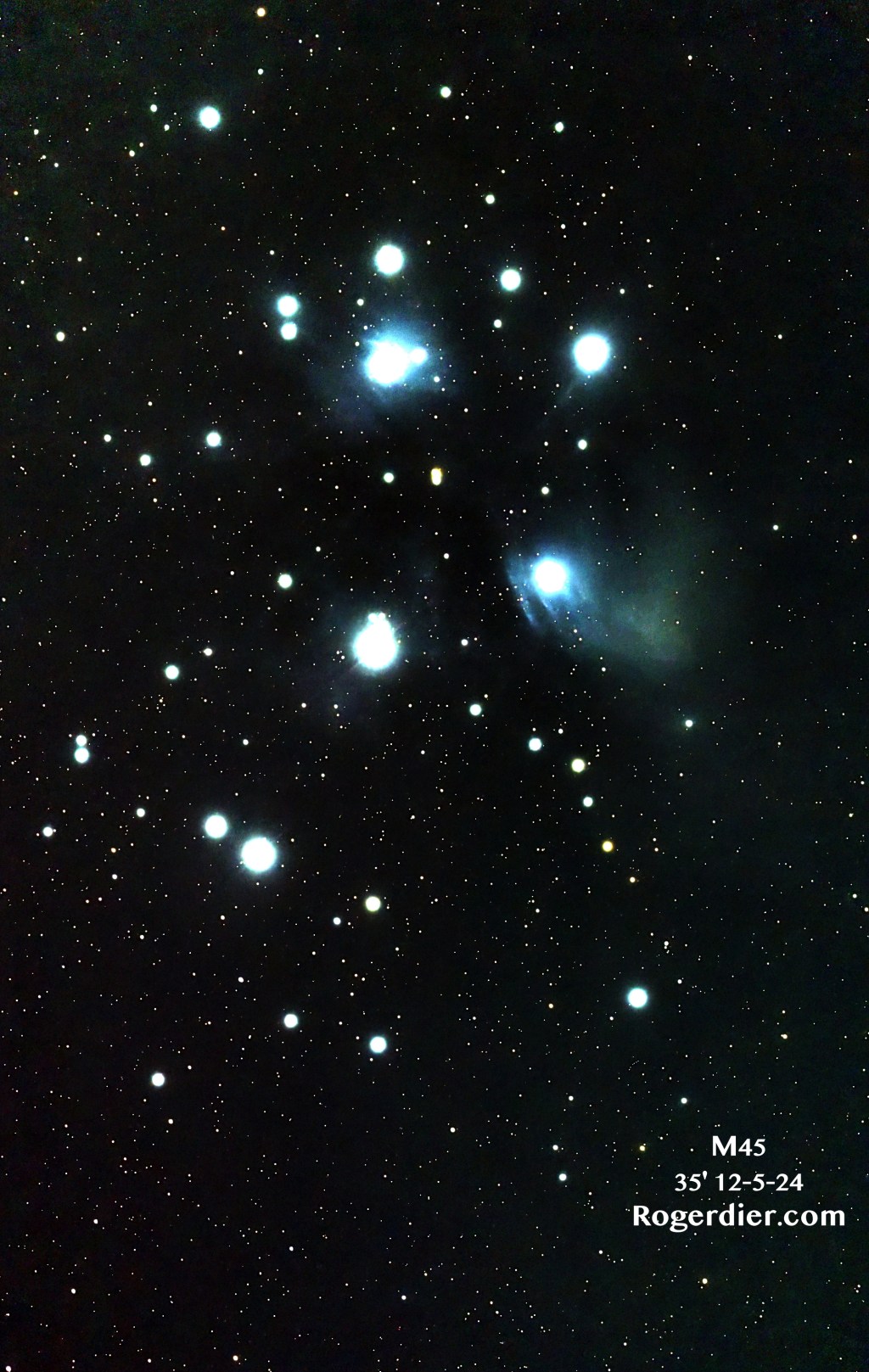
Now, with Mosaic, I can get all of the Sisters in one field of view. It’s a much better picture. All of the Sisters are happy.
The wider the user makes the field of view, the more time the instrument needs to make that happen. Since SeeStar has its own Wifi and can produce vivid photographs under any Bortle light dome, many users set it up outside a window, get it started, then go inside where it’s cozy to monitor the image on its phone or tablet as the SeeStar creates it. Easy Peasy. In my case, I had barren tree limbs blocking the ascension of the Seven Sisters from our yard, so I hopped in the car and doodled a half-mile away to a dike on the western shore of Lake Winnebago. In 9-degree Fahrenheit weather, the instrument told me to hunker down for 1.9 hours. I almost made it.
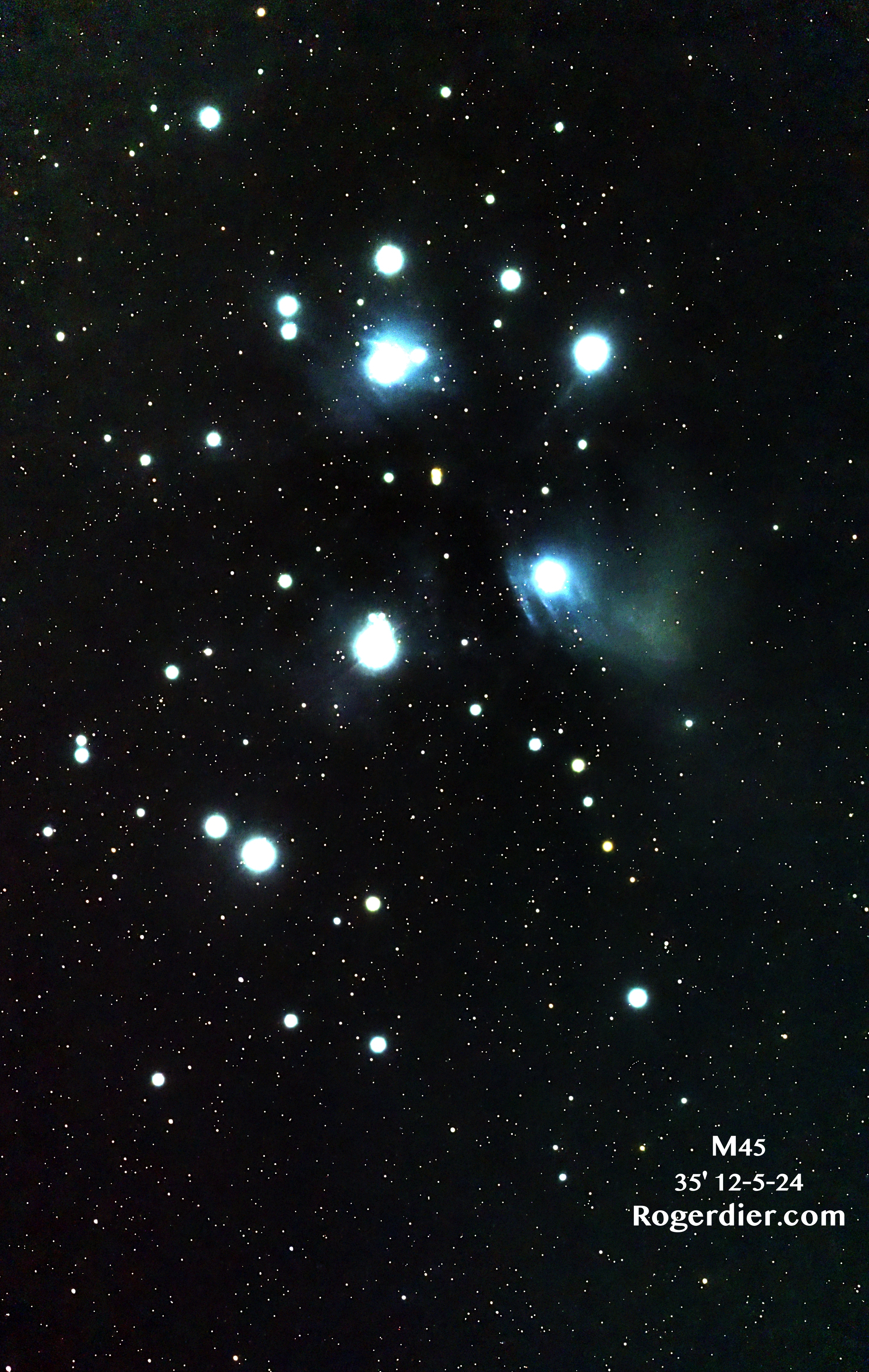
Thank goodness I had a blanket in the car and a bench to sit on while the SeeStar sky mapped. Thank goodness I had a car with a great heater, as I twice had to leave the SeeStar and iPhone alone on the dike while I warmed up.
PERFECT SILENCE
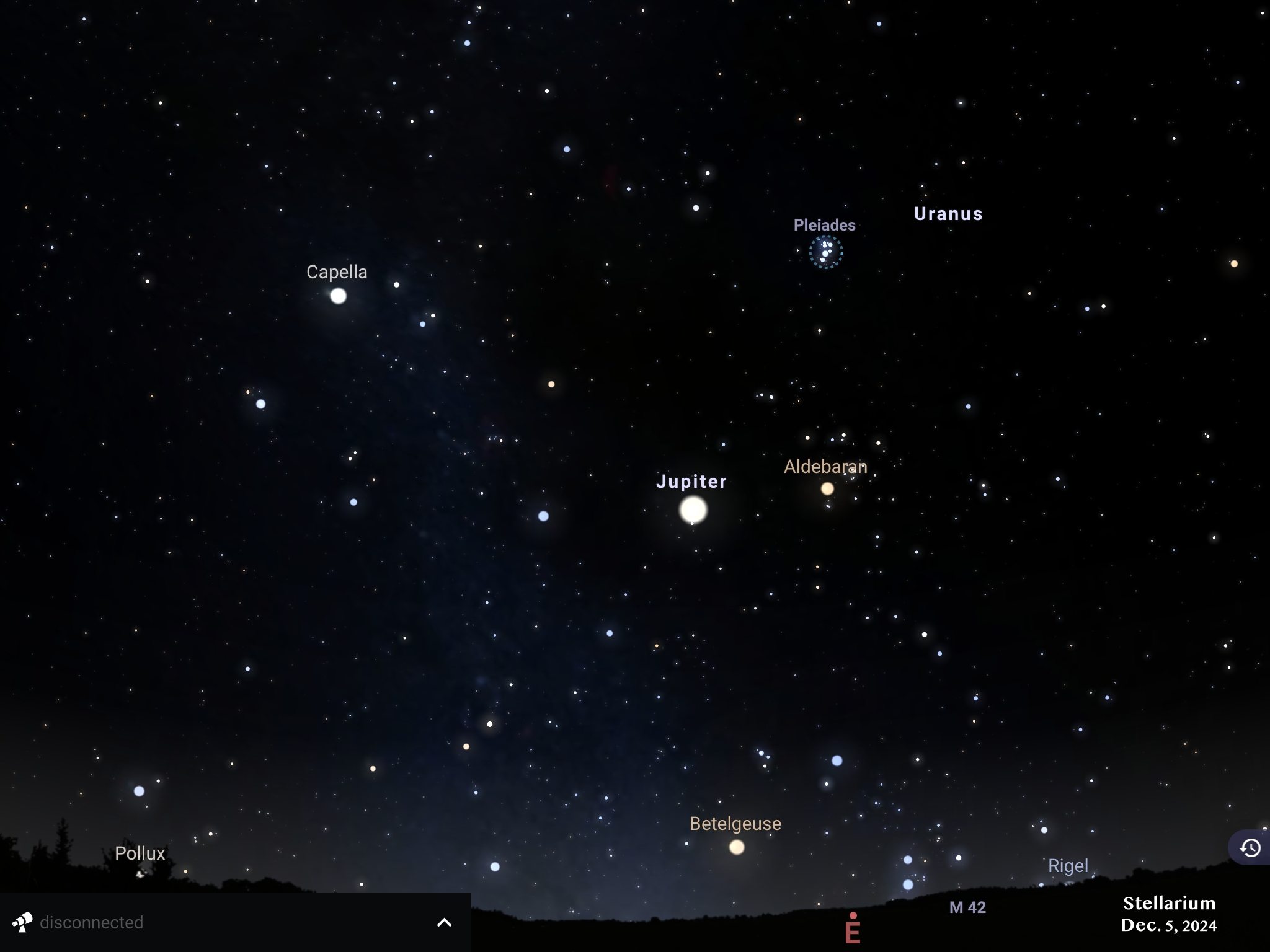
It wasn’t miserable at all. In fact, it was joyous. I watched Bellatrix and Betelgeuse, the shoulders of Orion, help the hunter rise above the southeast horizon. To the far left of Orion’s shoulders, another pair of prominent winter stars emerged in the northeast sky, Castor on top and Pollux below; they are separated by about five degrees of sky. Above the Gemini twins is Auriga, the great chariot, led by one of the most impressive circumpolar stars we can see in the north, golden Capella, shining brightly at 0.08 magnitude. The light Capella threw at my eyes Thursday night left the beautiful golden star in 1981, the first year of the Reagan administration when I was 26: Forever ago, a different person in a different country.
To the right of Auriga, King Jupiter held court, bathing the icy lake in -2.81 magnitude light. To the immediate right of Jupiter is Taurus’ brightest lamp, rouge Aldebaran; it’s in the foreground of the the V-shaped Hyades, another Taurus open cluster whose old stars are sailing into the cosmos, like tumbling November leaves scattering across the ground to points unknown.
THE SISTERS
Above the Hyades is another open cluster, the Pleiades, younger than the Hyades but about the same magnitude (1.5). It looks like a tiny dipper. It was once thought that the young blue-white stars of the Pleiades were surrounded by nebulae, a kind of stellar afterbirth, but the thinking has changed. The Seven Sisters, in their orbit around the center of the Milky Way galaxy, are merely passing through (or behind) enormous but thin clouds of gas and dust, which is between our eyes and the Sisters. The energy of the young Sisters is so strong the light they emit reflects off the carbon-packed clouds; we see the Sisters through a hazy nebulous curtain.
This celestial minuet is always good for this soul. The night sky has a majesty, and as children become adults and strong adults lose their leaves of vitality and become elders, seeing the stars reminds us of seeing them in the fairy tales of youth. The stars offer comfort. It’s a joy to watch this parade of friends rising up from beneath the horizon to begin their long, silent march across the winter sky. Shooting the Seven Sisters that evening, I wondered what it may have been like to sit where I was sitting 10,000 years ago, seeing the same stars on a cold night in a winter month neither invented nor named. Chances are I would have been sitting a mile or two higher, atop a thick, grinding glacier that eventually carved out this hefty inland lake and greater lakes to the north and east.
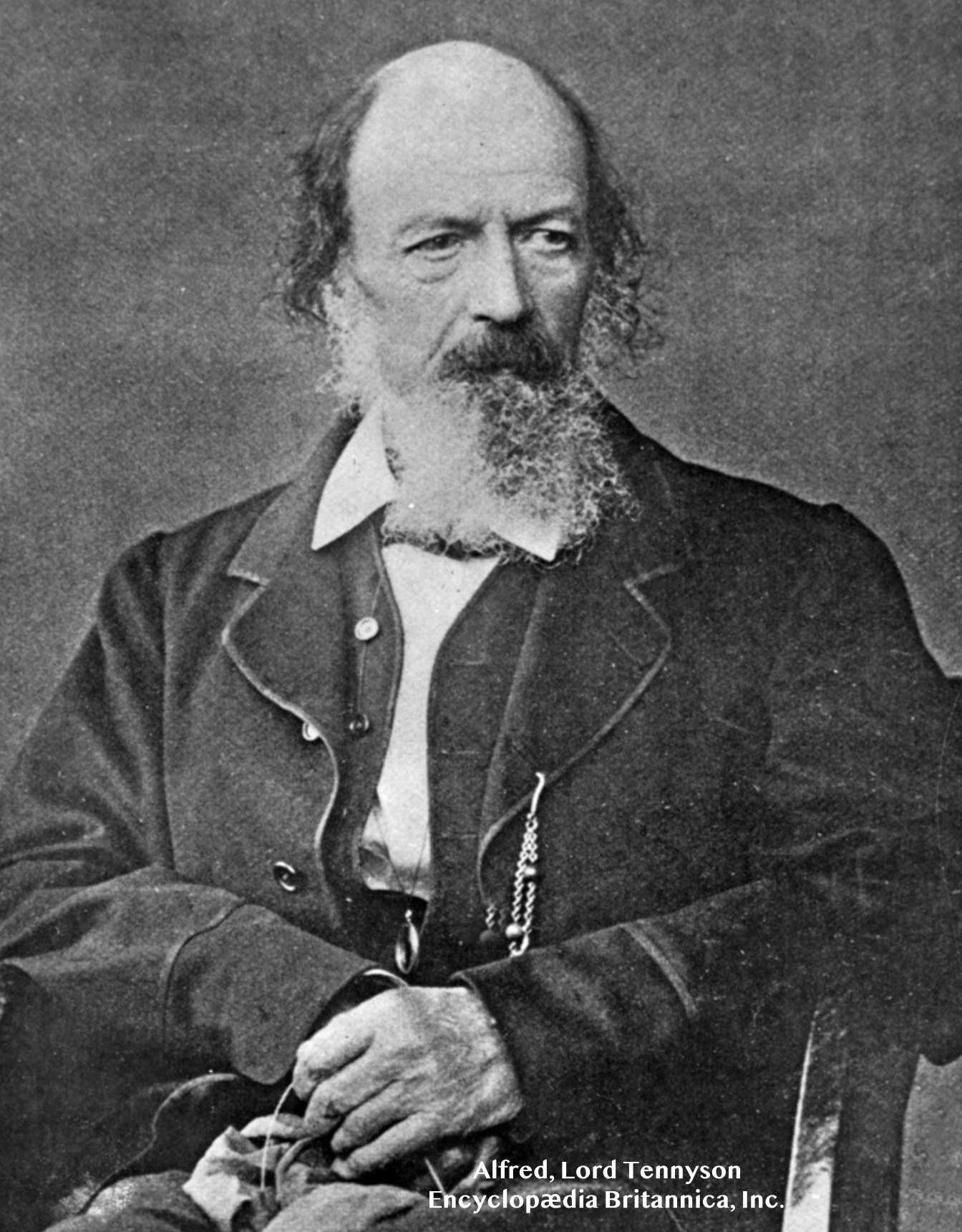
The Pleiades has been moving the souls of humans for centuries. The poet Alfred Lord Tennyson, thinking of this small group of diamonds, once dipped his quill into an inkwell and wrote: “Many a night I saw the Pleiads, rising thro’ the mellow shade, Glitter like a swarm of fire-flies tangled in a silver braid.”
THE DOG STAR
After I shut down the SeeStar, I took a final look across the lake. It could not be. Frothing like a mad dog just above eastern lip of the lake was Sirius, boldly barking through the width of 38 Earth atmospheres that the brightest true star as seen from our planet was joining the winter parade. On a night not especially transparent, seeing Sirius in mad-twinkle scraping the windmills, barns and treetops miles away—through all that atmosphere—reminded this writer of the naked power of the cosmos and our inner power to take it all in, knowing that our great purpose in life is to give our hearts to each other, and our minds to understanding why we are here.
Thank you for reading. If you’re on a desktop or tablet, scroll to the bottom of this post to subscribe for free. The crack observing and writing staff at rogerdier.com wishes you good health and clear skies.
 Cosmic
One response to “Seeing All Seven of the Sisters”
Didn’t you also have trouble getting Andromeda into your previous field of view.
Hint Hint
LikeLike