-
The Rosette Returns
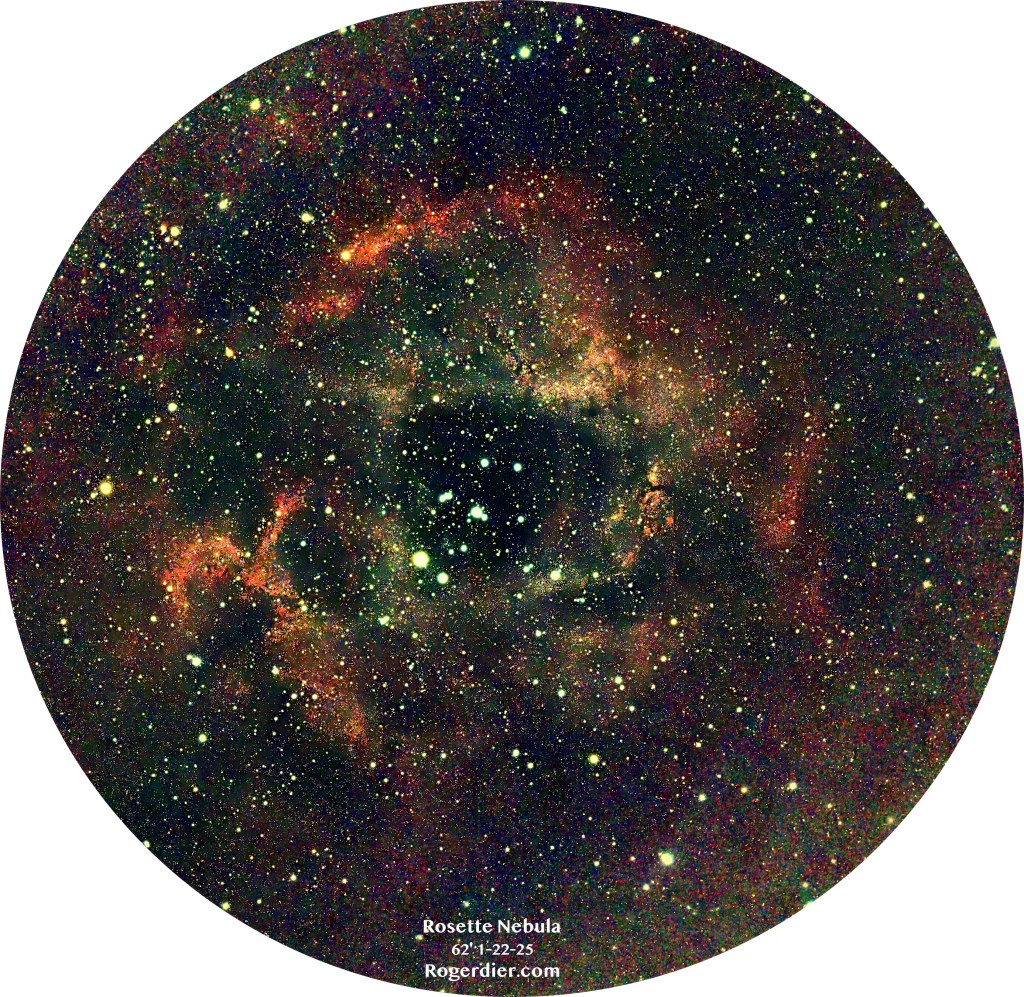
On a recent night that would chill emperor penguins of the Antarctic, the little wonder-scope that is the SeeStar S50 stood outside our frosty family room window and went to work. Grinding away in minus 8 Fahrenheit temperatures, the S50 with its modest two-inch triple lens spent about two hours photographing the sky in a…
-
Tourist Stops in the Winter Night Sky
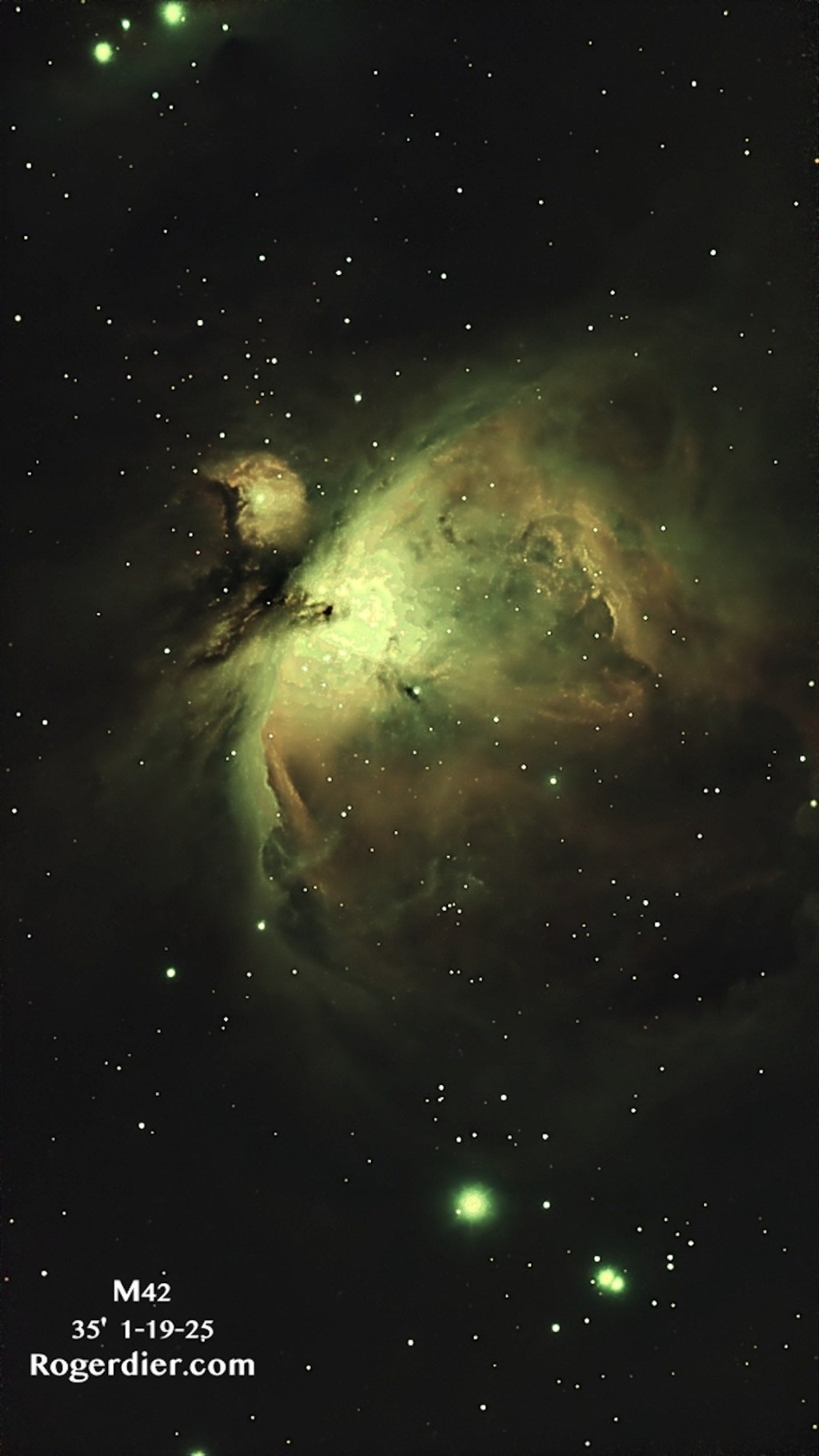
Your intrepid astronomer visits more than a few astronomy sites during his infrequent online trekking. This time of year, nearly everyone who photographs the night sky has proof that they have visited popular winter sky tourists stops. Many of the modern amateur portraits are stunning. Equivalent to the American Grand Canyon, Yellowstone National Park or…
-
Seeing All Seven of the Sisters
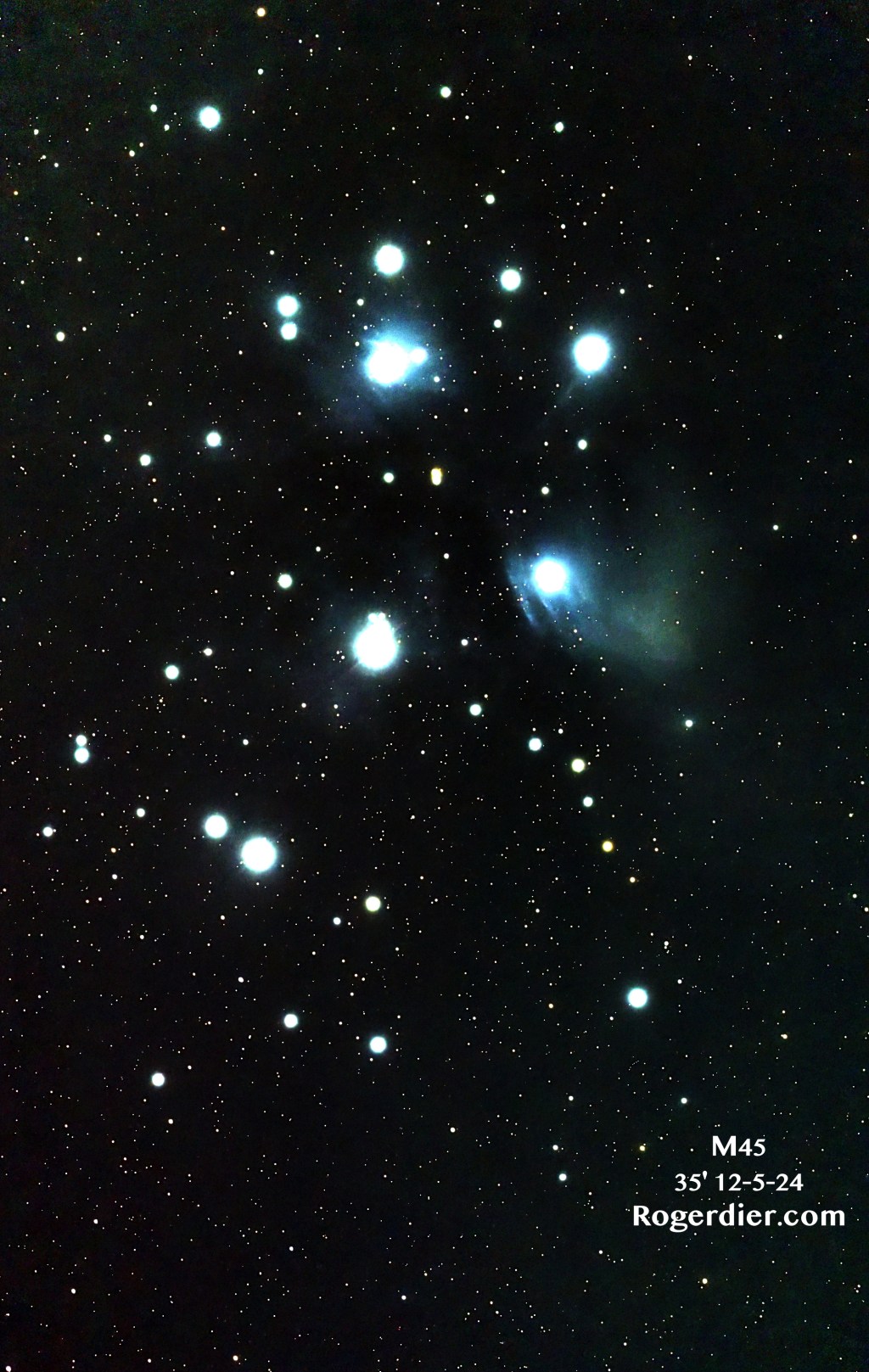
The weeks zip by, quick as meteors in the night. It’s been a while since your intrepid astronomer planted his sack of potatoes beneath the starry night. Clouds, travel, moon-washed evenings, and life all sometimes conspire to keep us from what we love doing. When the doing arrives again, cosmic serenity seeps in to remind…
-
Nomads of the Night
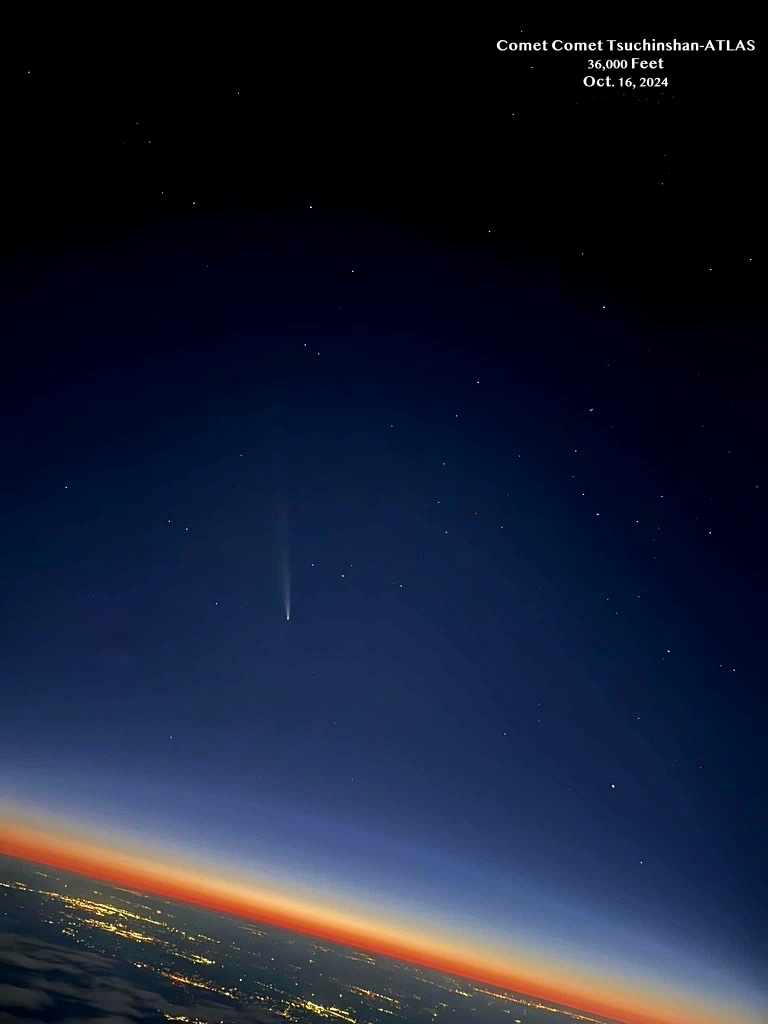
This Nomad of the Night is not the Comet of the Century. It’s the Comet of the Month, arriving before our eyes in late September and emerging in early October to give us a three-week visual thrill. As this modest ice-rock continues its quick fade into the cold, inky darkness, we now know that this…
-
The Comet of the Century Arrives
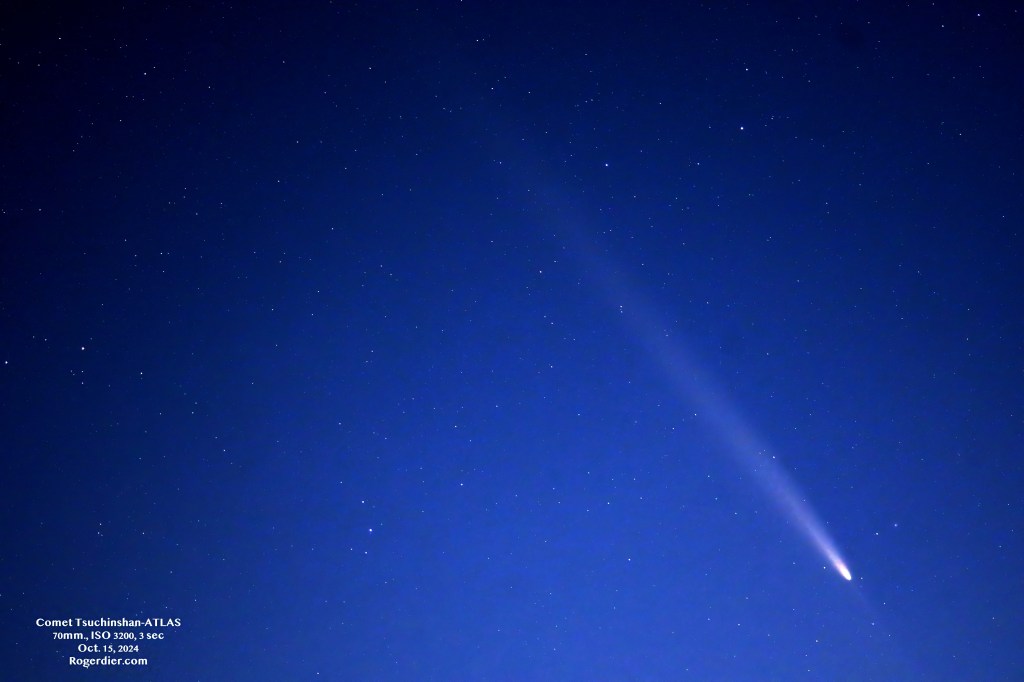
We are the only civilized society that will ever witness Comet Tsuchinshan-ATLAS. Comets are mysteries. We are more mysterious. Will humans evolve or devolve on our path up the stairway? It makes me wonder.
-
Who Really Named the Crab Nebula?
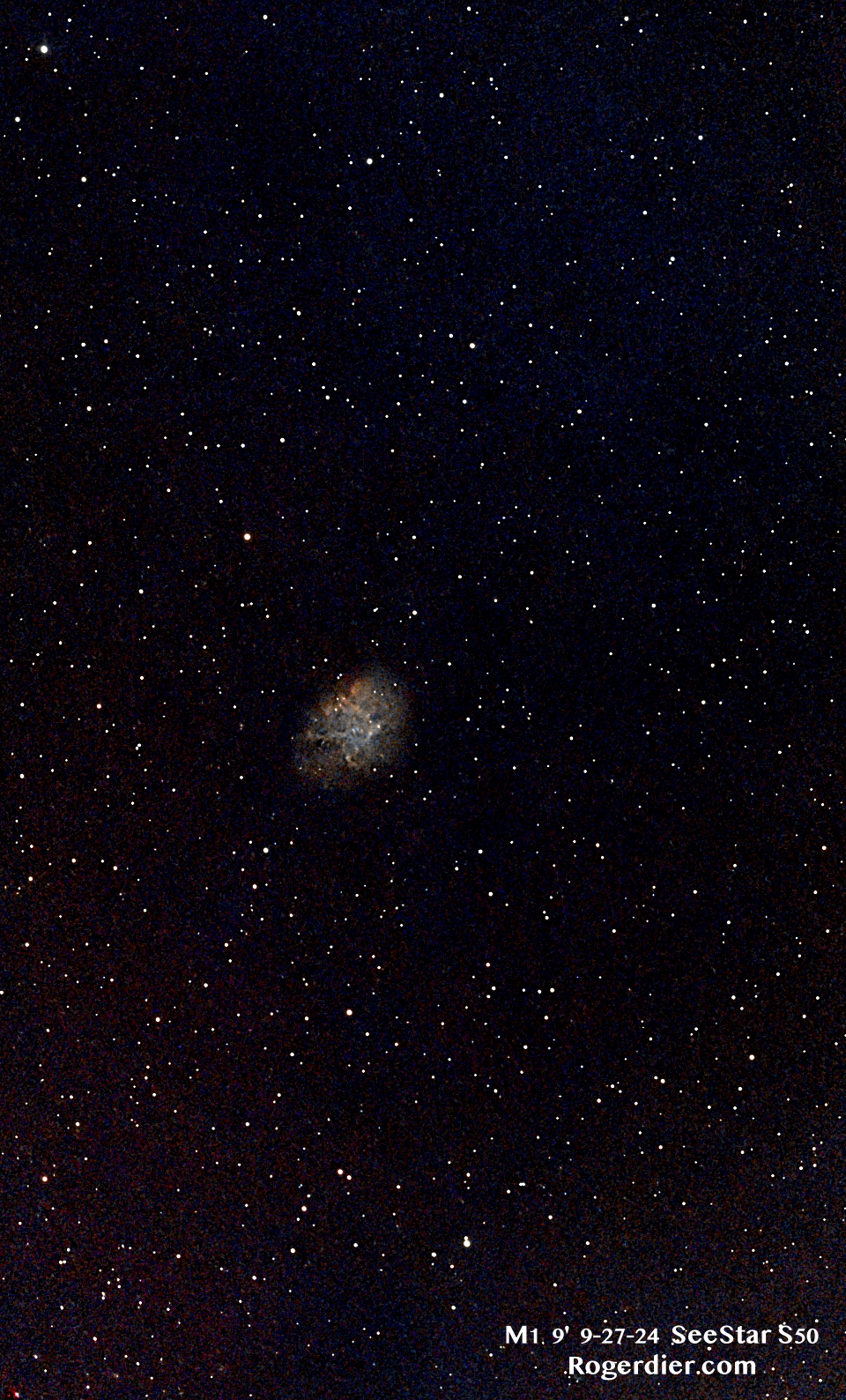
William Parsons, the 3rd Earl of Rosse is credited for giving the Crab Nebula its forever nickname, but that’s not true. Rosse first thought M1 was a cluster, but once he built a larger speculum-mirrored telescope, he changed his mind. Two fellows who observed with Rosse on occasion get credit for naming the Crab Nebula.…
-
The Siren Call of a New Comet
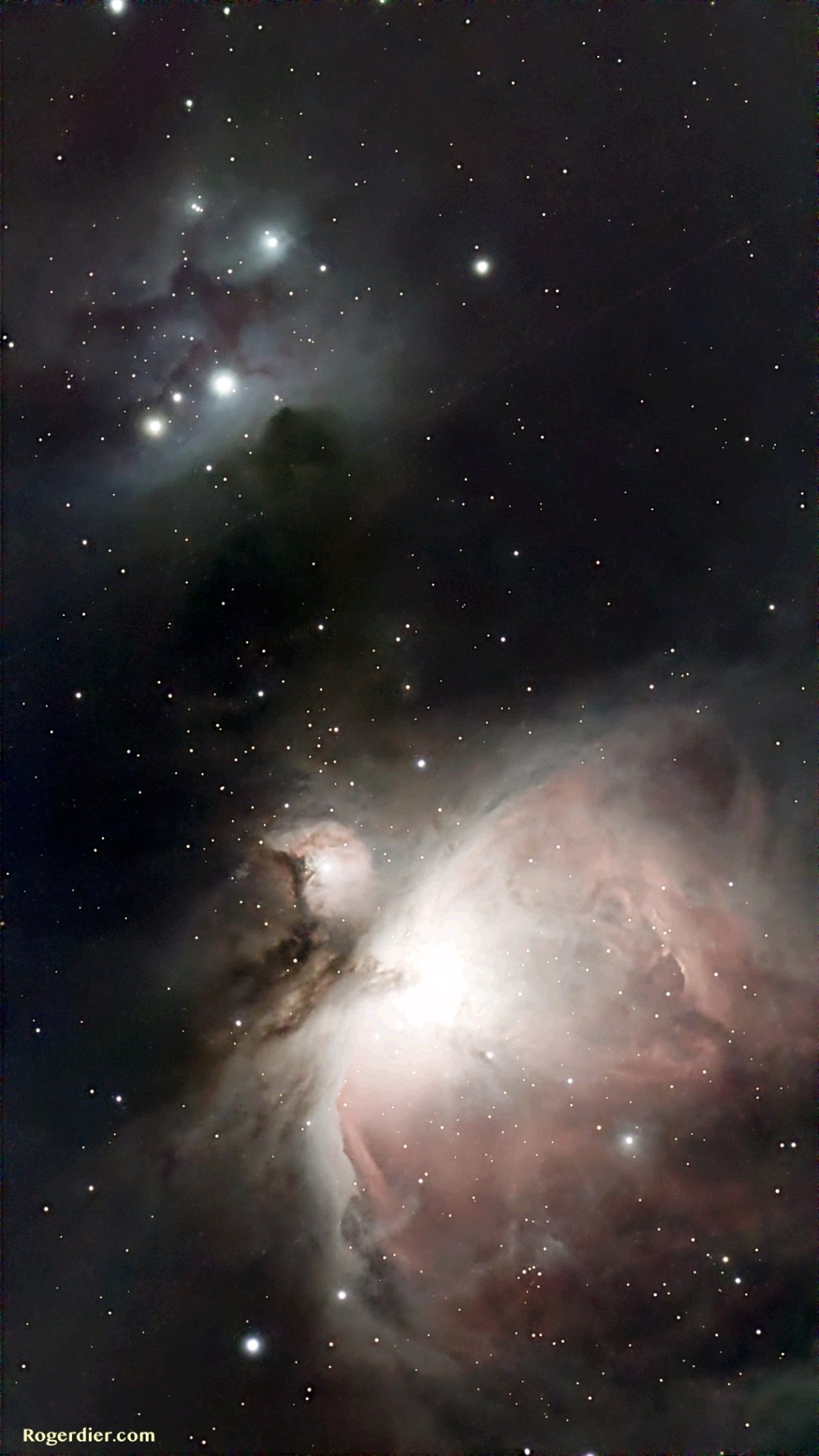
Every time your intrepid astronomer hears that a comet is coming, I get weak in the knees and head for a place where I think it will be visible. Comets have the same power over all of us who see, scan, observe and shoot photos of the sky. Comets are Sirens of the Solar System.…
-
Reflections of Venus
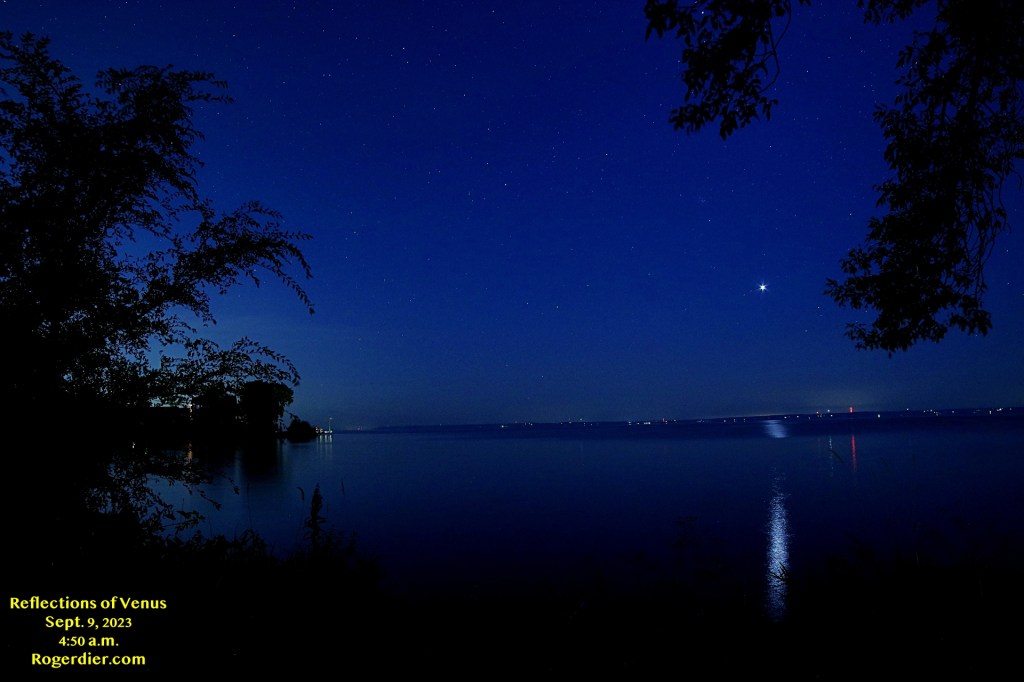
We have this image, but that is only part of this picture, or any picture. No one can present the pleasant odors the moment the photo was taken before that promising new day, nor can any photographer recreate the waking sounds of that end-of-night moment, gazing across the lake, amazed that the beam of Venus…
-
Veil Discovered 240 Years Ago Today
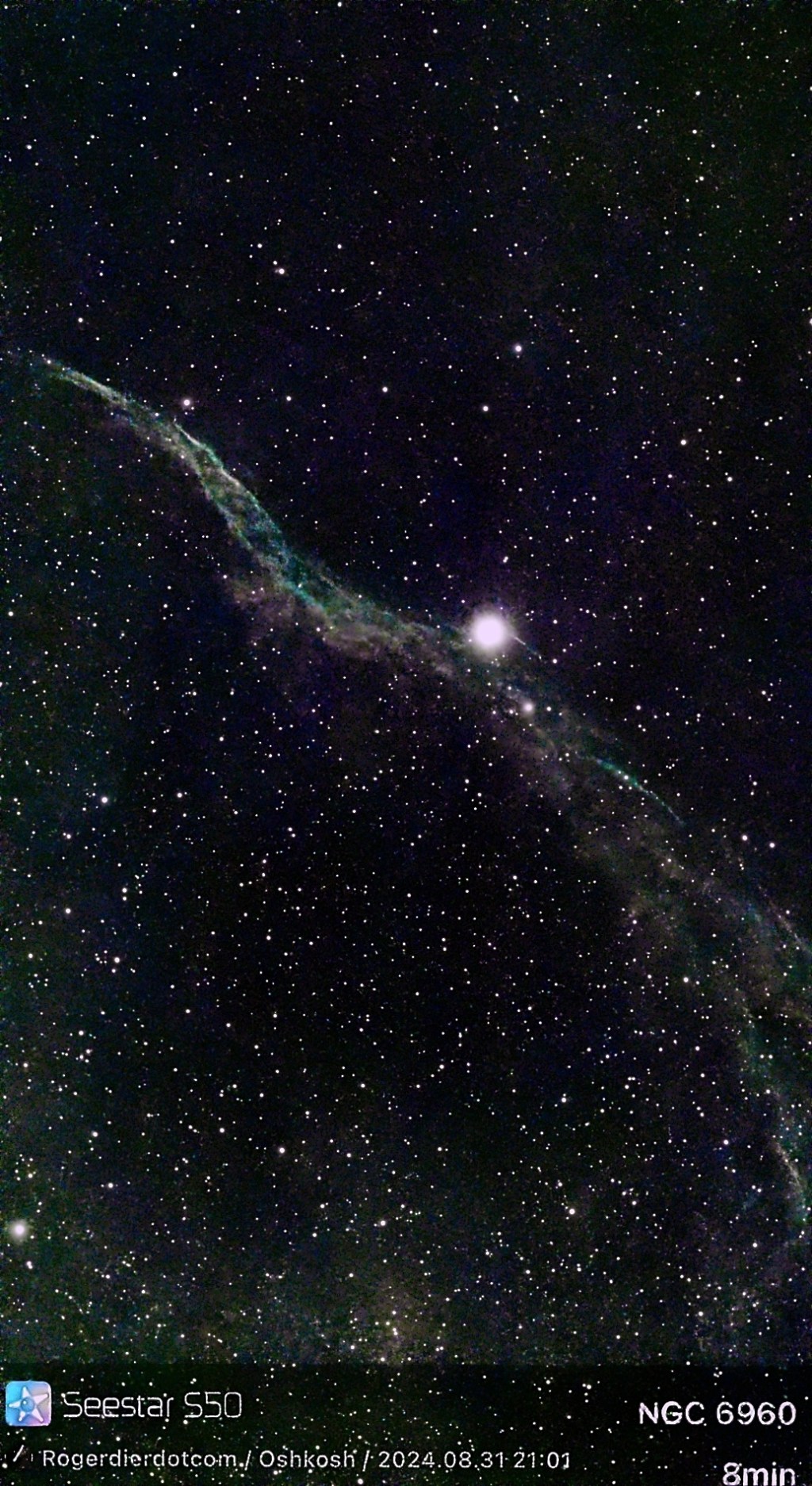
If you are reading this on Thursday, Sept. 5, 2024, William Herschel discovered the Veil Nebula 240 years ago today. Herschel, who sometimes spent 16 grueling hours a day grinding mirrors, lived at what he called Observatory House near Slough England, 20 miles west of London. His home was located at 52.88 degrees north latitude,…
-
How Many Stars Could a SeeStar See?
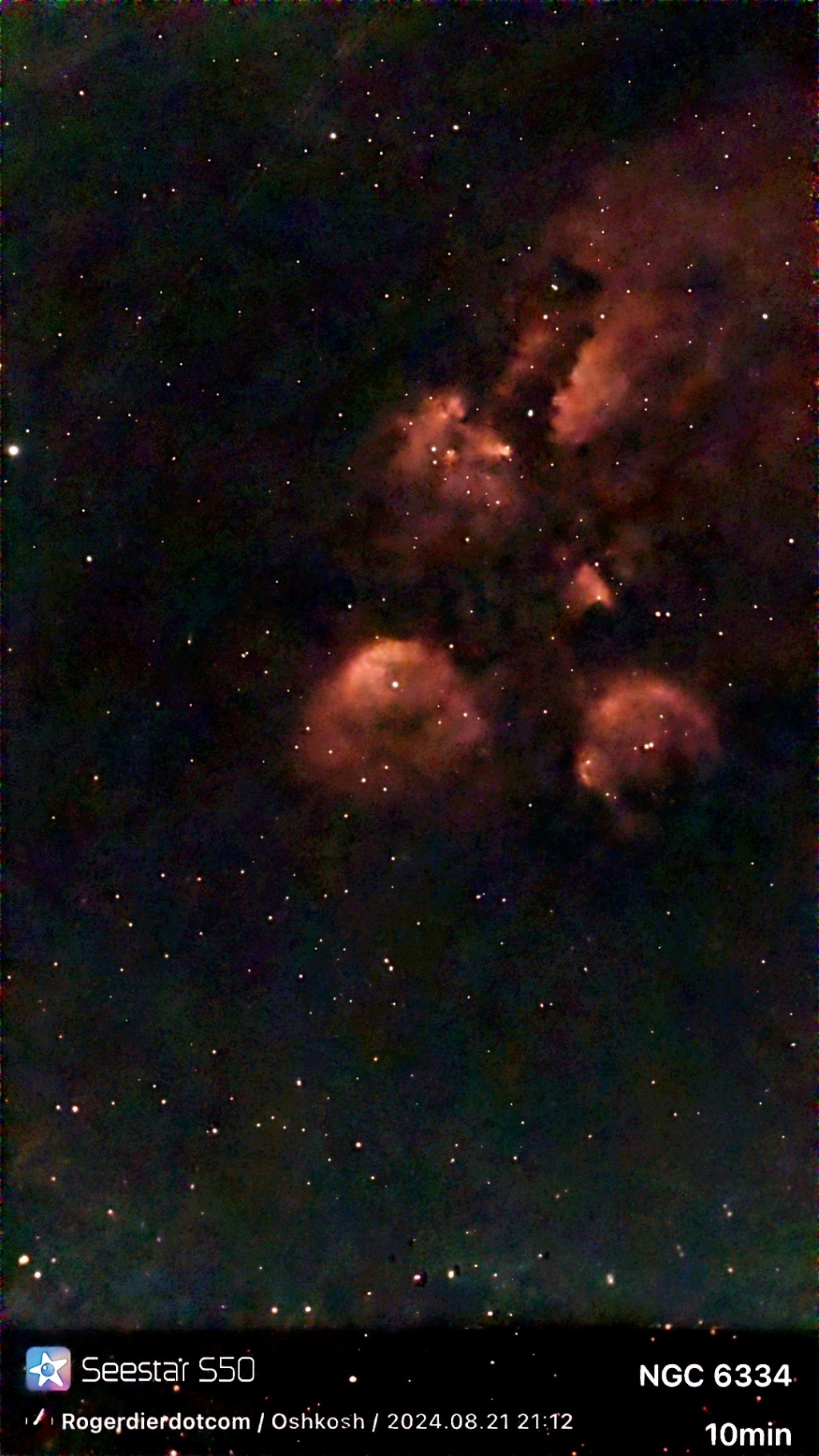
Electronic Assisted Astronomy (EAA) is optical marijuana in the minds of night-sky watchers who have been stuck under light domes without the wherewithal to escape. The SeeStar does all the work of finding the target in the sky. The SeeStar does all the photography. The SeeStar does all the stacking. There’s no need to plug…
-
Are We Aliens From Another Galaxy?
Given the presence and density of substances within the sun, astrophysicists believe that our sun is at least a third-generation star. So are we. All that we are—eyes, fingernails, skin, heart, tears, lungs, bones and brains—are chemical compounds left over from long dead stars. “We are,” Carl Sagan said, “made of star stuff.”
-
Star Clouds of Summer Nights
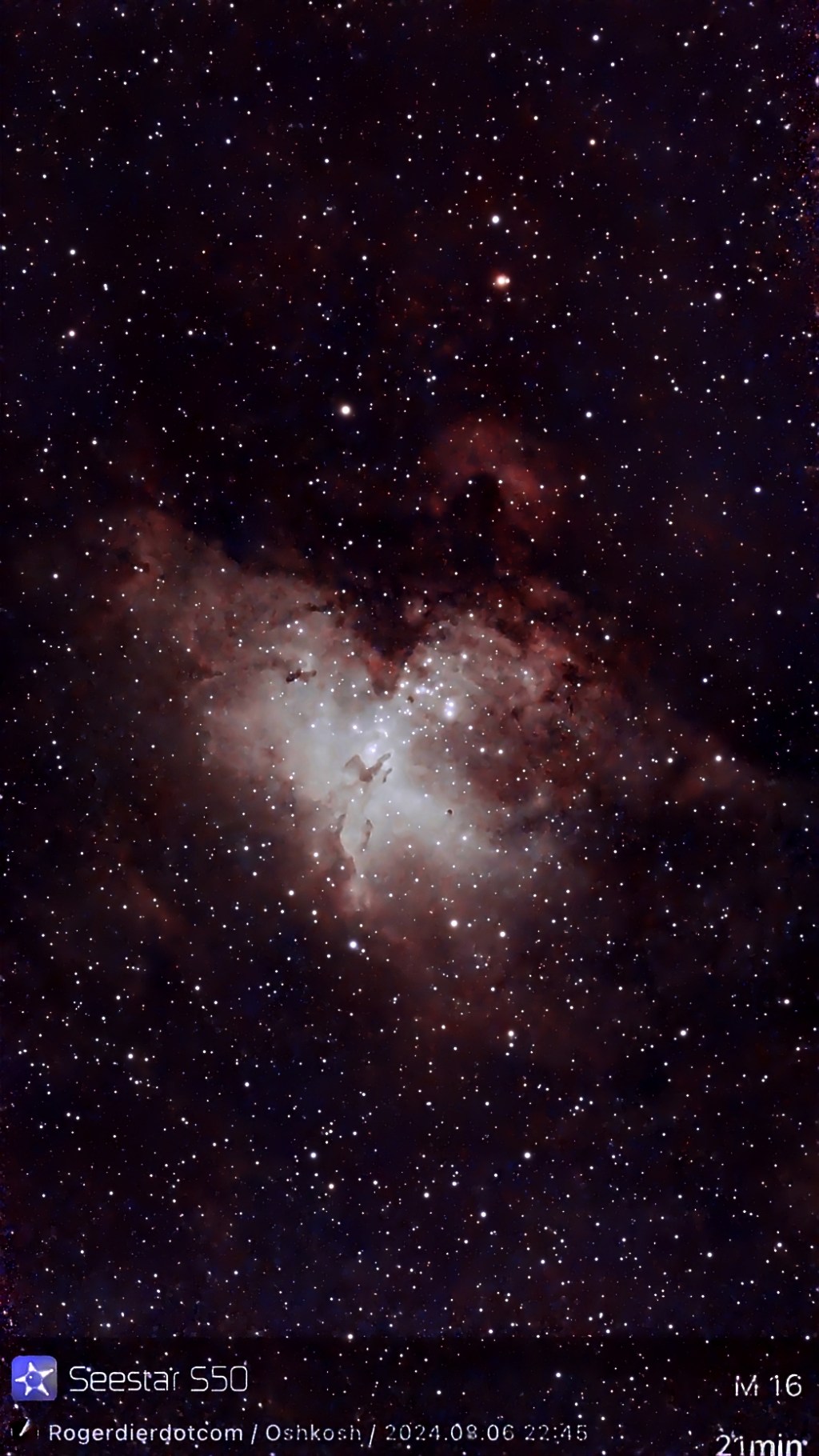
These three nebulae are vast expanses of elements—light years wide, lights long and light years thick—where King Gravity squeezes gas and dust and all that is in-between into something more than it ever was.
-
Gobs of Globs
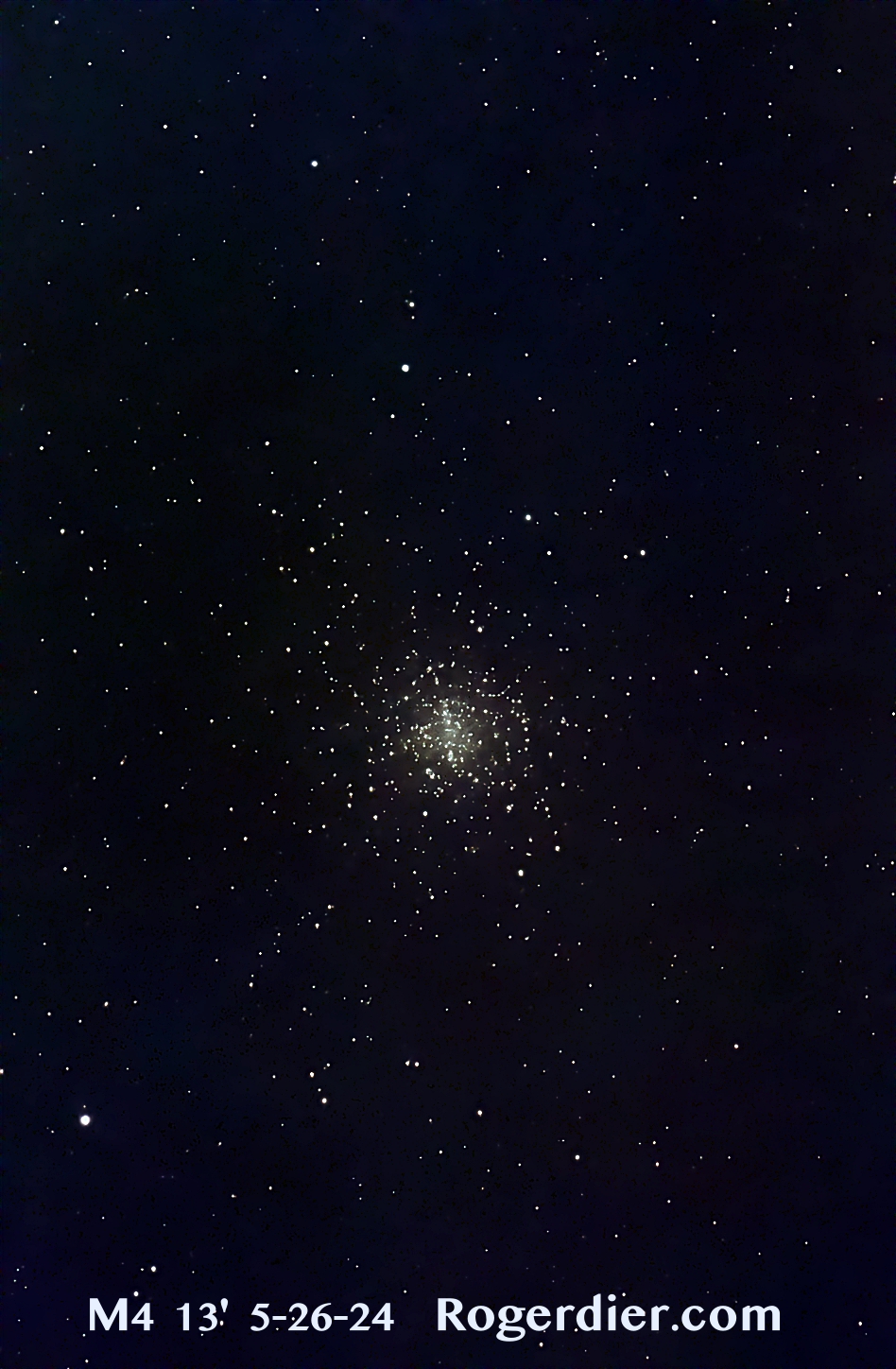
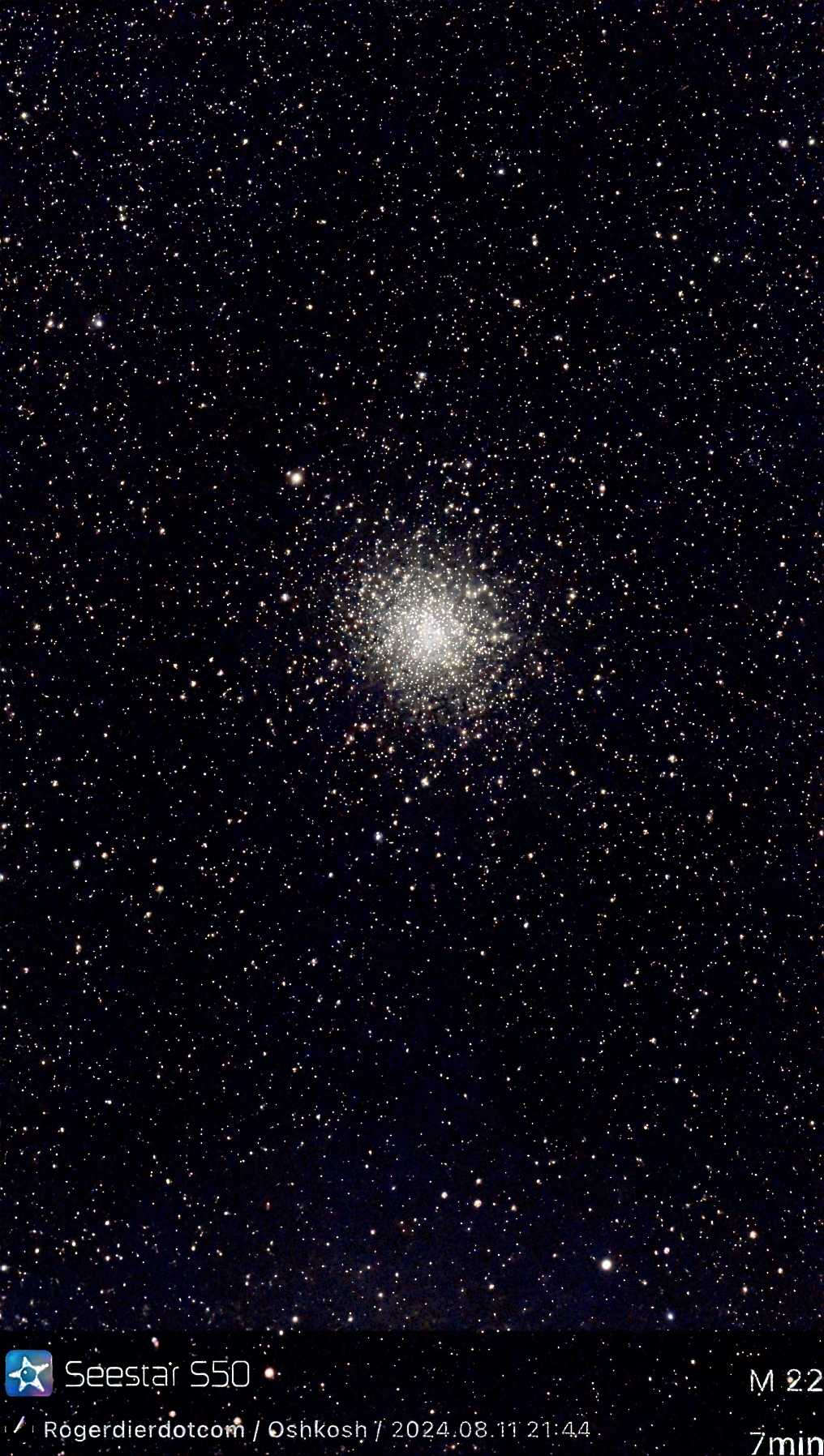
It was Globular Cluster Week as July turned into August. With the exception of M4, the cover photo and a cluster visible without optical aid under really dark skies, all of the clusters you see on this page were exposed for seven minutes in the SeeStar S50. When we observe or photograph an object at…
-
Flying Ducks and The Pacman
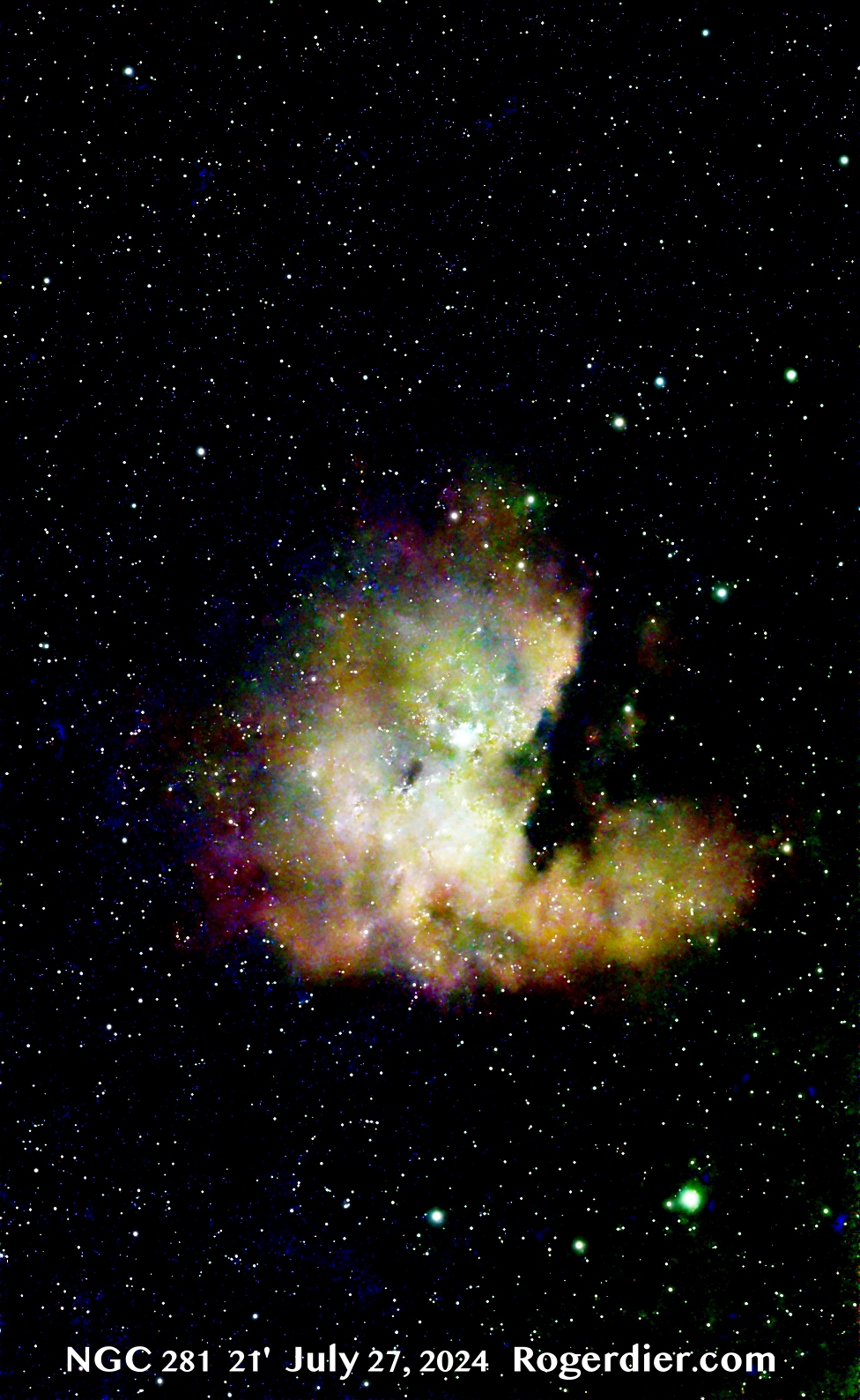
I originally planned to do a segment on globular clusters that I photographed last week, but like clouds rolling in during a nighttime observing session, plans changed. BECOMING DUCKY The Wild Duck Cluster is really wild. It’s topic A. Also known as M11, the Wild Duck Cluster has an apparent magnitude of between 5.8 to…
-
Those Hazy Crazy Lazy Nights of Summer
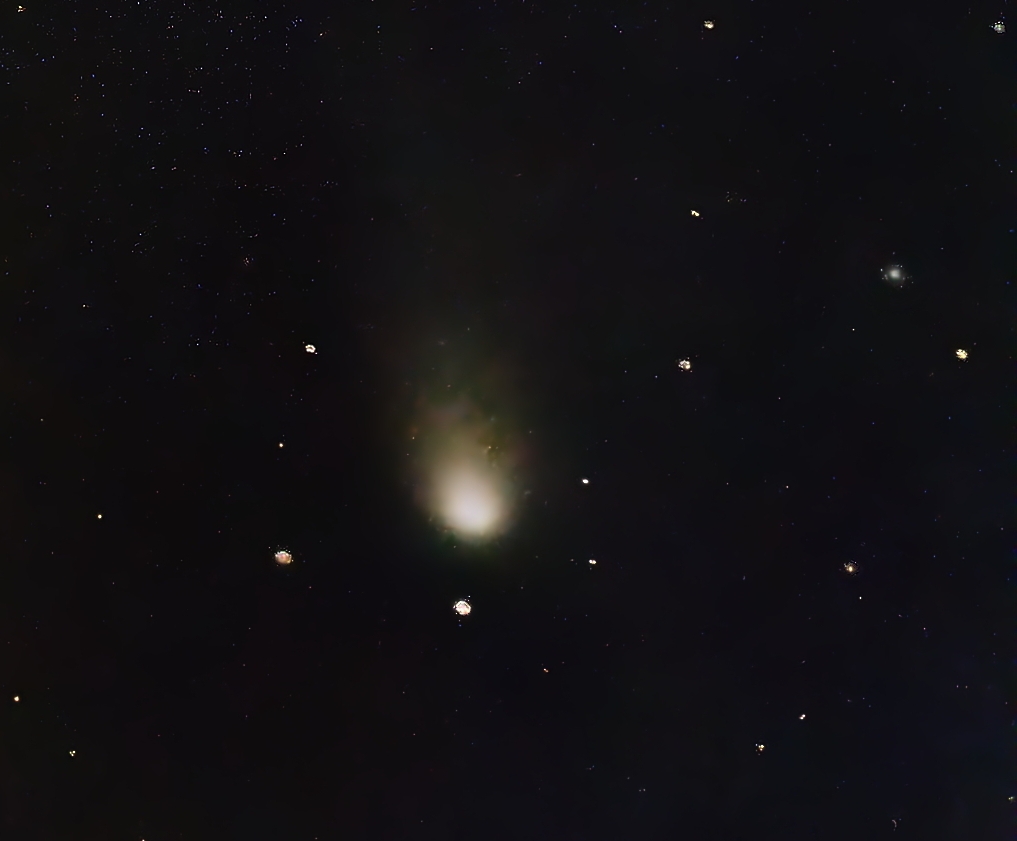
Our normally sedate neighborhood was lit up and lively on Wednesday night, July 24th. I had planned to send the SeeStar S50 to look for Comet 13/Pons-Olbers, but a neighbor’s tree blocked that part of the western horizon. I took a long exposure of the North American nebula, hoping to catch what some call the…
-
Subscribe
Subscribed
Have a WordPress.com account? Log in now.

