-
How Many Stars Could a SeeStar See?
Electronic Assisted Astronomy (EAA) is optical marijuana in the minds of night-sky watchers who have been stuck under light domes without the wherewithal to escape. The SeeStar does all the work of finding the target in the sky. The SeeStar does all the photography. The SeeStar does all the stacking. There’s no need to plug…
-
Are We Aliens From Another Galaxy?
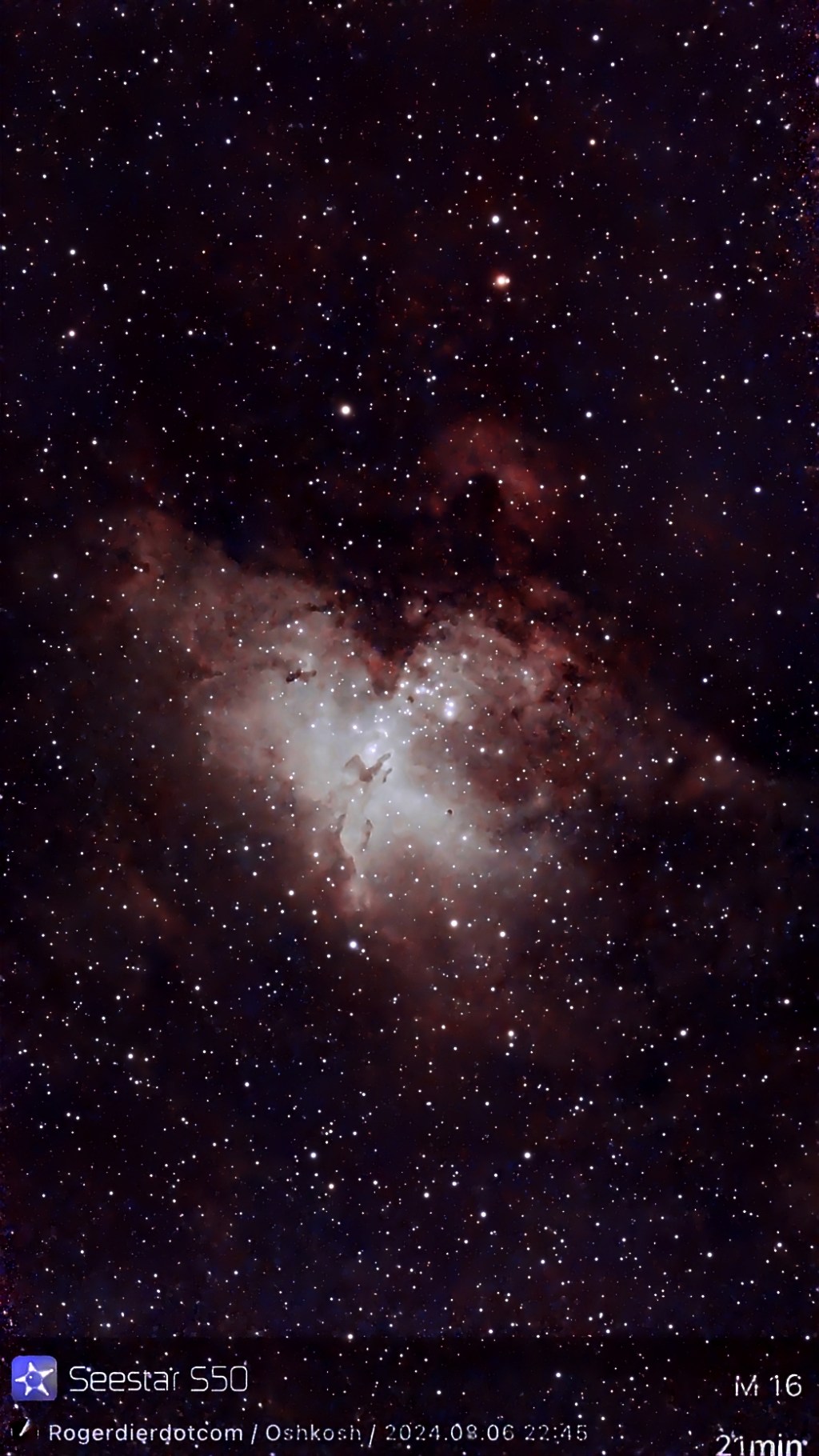
Given the presence and density of substances within the sun, astrophysicists believe that our sun is at least a third-generation star. So are we. All that we are—eyes, fingernails, skin, heart, tears, lungs, bones and brains—are chemical compounds left over from long dead stars. “We are,” Carl Sagan said, “made of star stuff.”
-
Star Clouds of Summer Nights
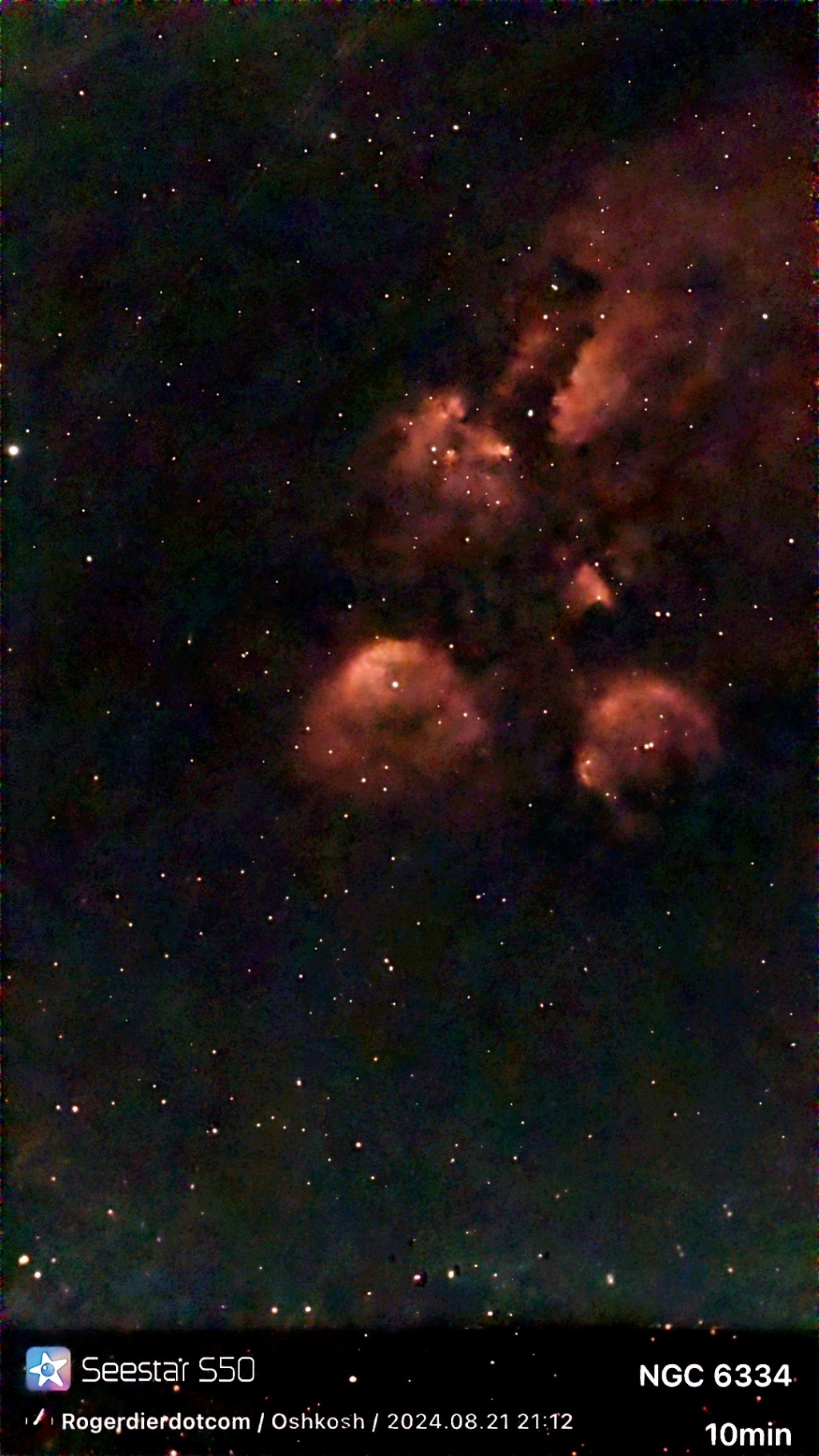
These three nebulae are vast expanses of elements—light years wide, lights long and light years thick—where King Gravity squeezes gas and dust and all that is in-between into something more than it ever was.
-
Gobs of Globs
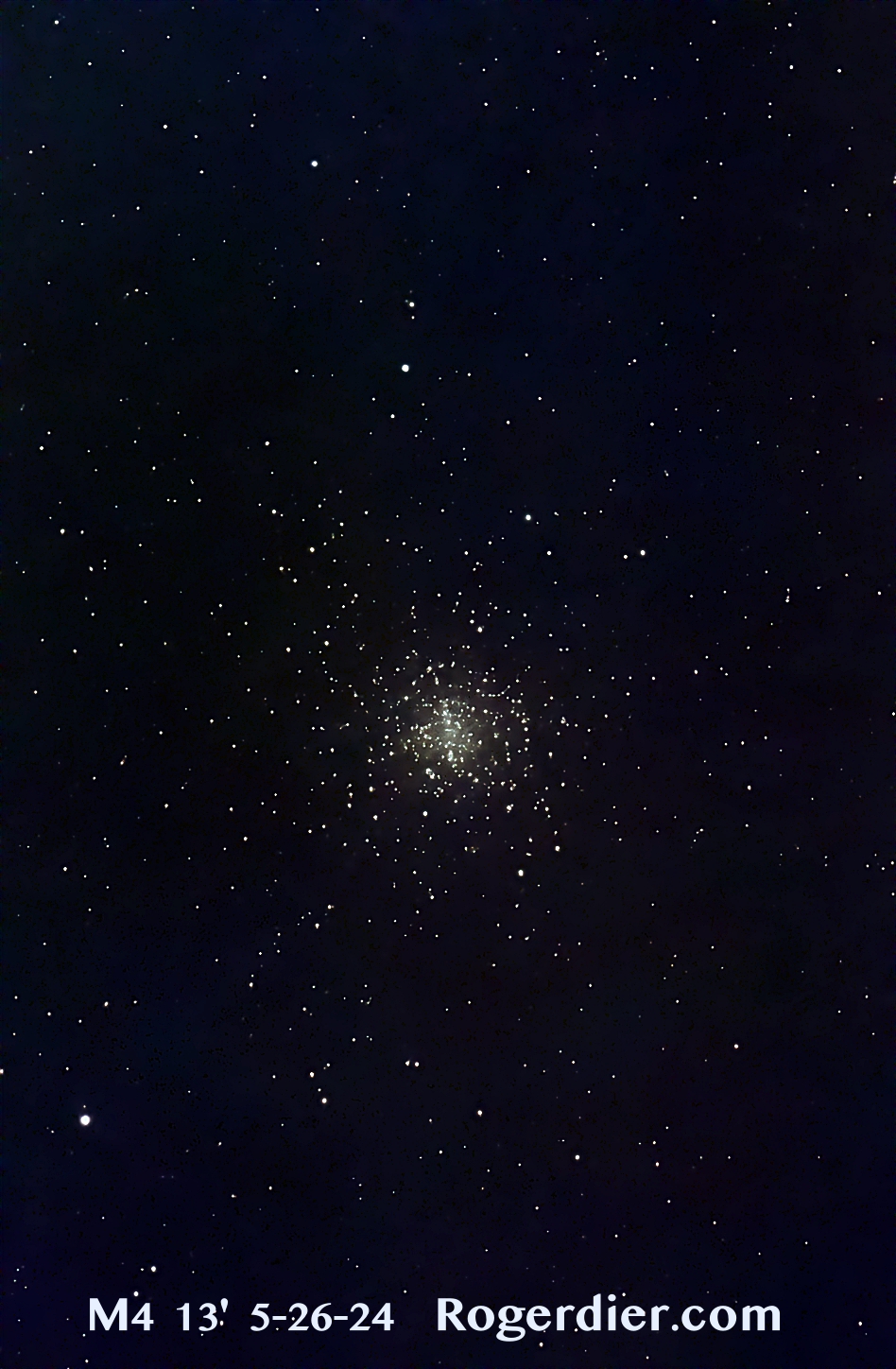
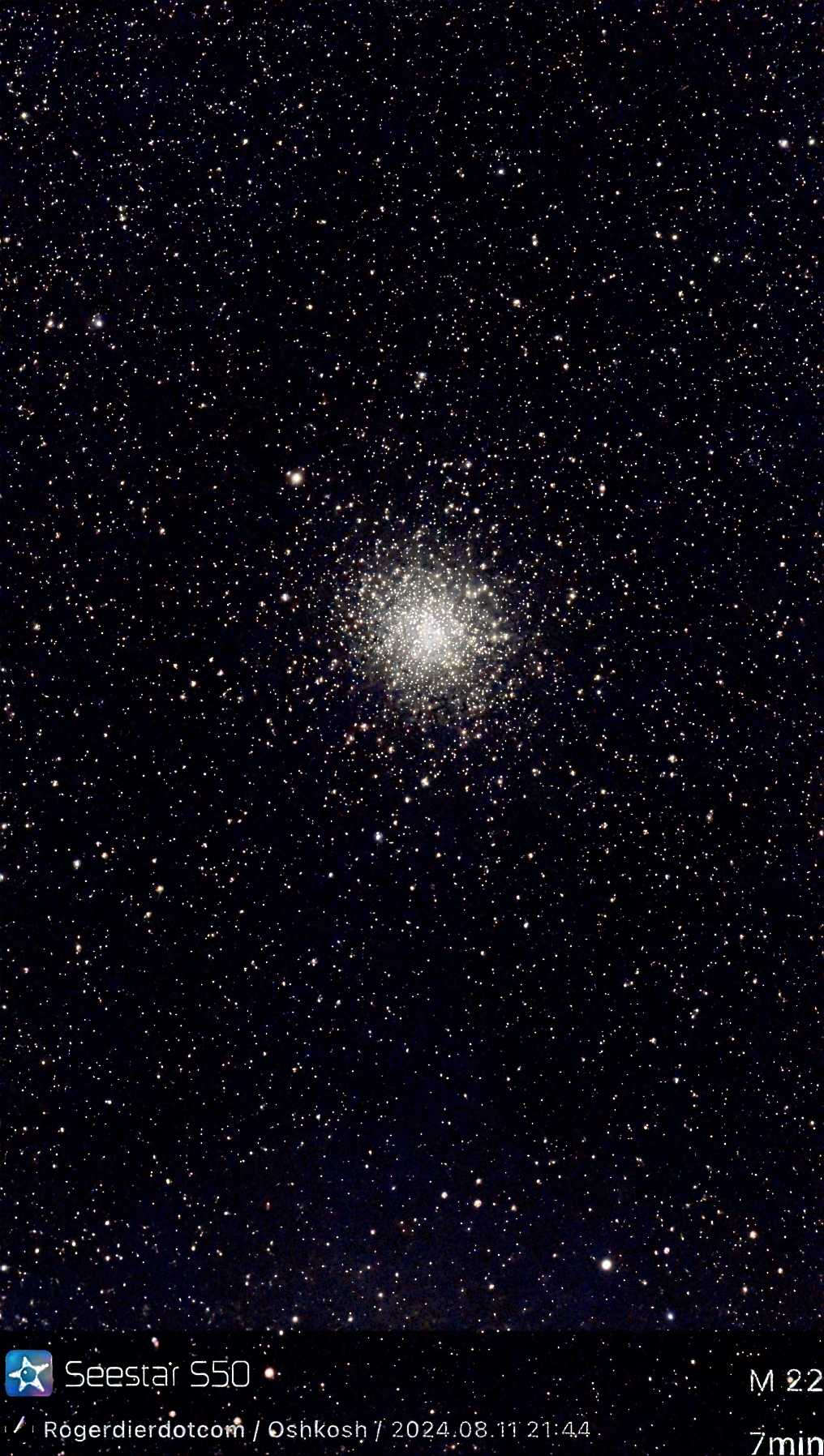
It was Globular Cluster Week as July turned into August. With the exception of M4, the cover photo and a cluster visible without optical aid under really dark skies, all of the clusters you see on this page were exposed for seven minutes in the SeeStar S50. When we observe or photograph an object at…
-
Flying Ducks and The Pacman
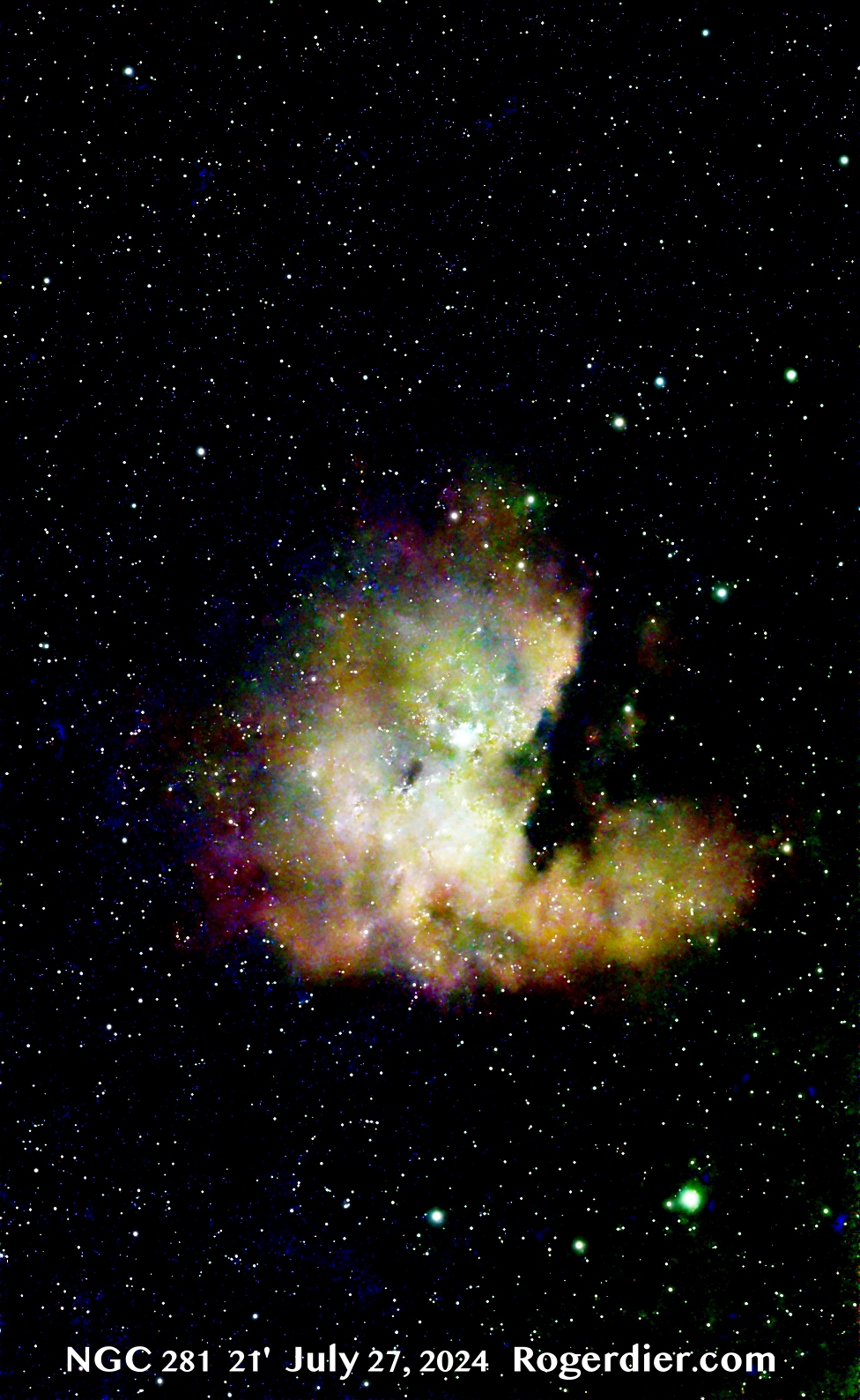
I originally planned to do a segment on globular clusters that I photographed last week, but like clouds rolling in during a nighttime observing session, plans changed. BECOMING DUCKY The Wild Duck Cluster is really wild. It’s topic A. Also known as M11, the Wild Duck Cluster has an apparent magnitude of between 5.8 to…
-
Those Hazy Crazy Lazy Nights of Summer
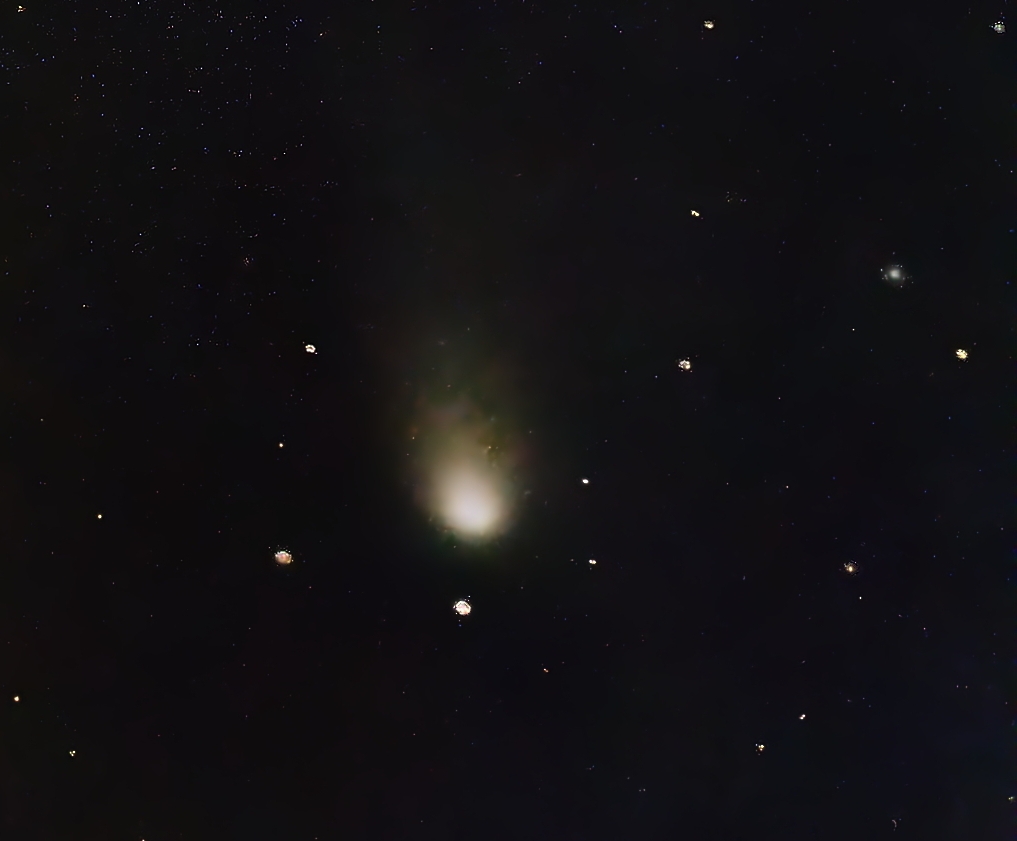
Our normally sedate neighborhood was lit up and lively on Wednesday night, July 24th. I had planned to send the SeeStar S50 to look for Comet 13/Pons-Olbers, but a neighbor’s tree blocked that part of the western horizon. I took a long exposure of the North American nebula, hoping to catch what some call the…
-
The Heart Nebula Dogs It
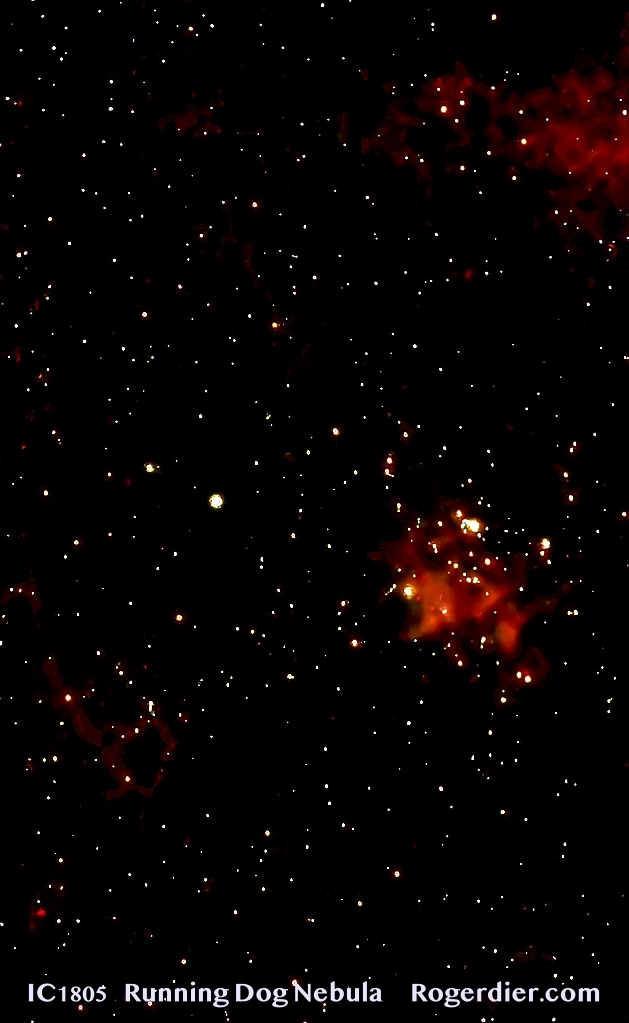
Tinged with a touch of insomnia, I woke at 2:35 a.m. Wednesday and wondered whether I would fall back to sleep. When an answer didn’t arrive 10 minutes later, I was up and at ‘em. Perseus is a circumpolar constellation for anyone living north of 40 degrees latitude. I’m at 44 degrees north latitude. Each…
-
Owl Hunting With the Third Earl of Rosse
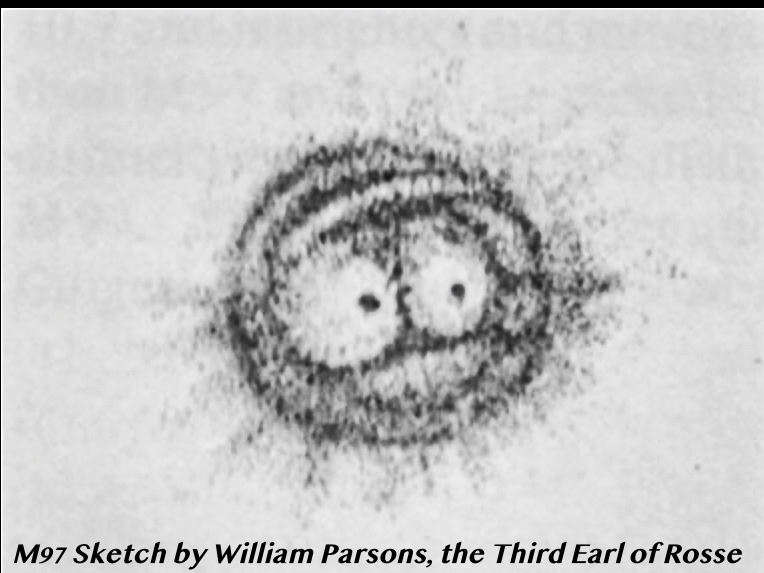
I have a confession. Here it is: The people who “discover” cosmic objects or originate theories or tools to better understand the night sky are almost as interesting as the object or idea linked to their lives. Up until last week, I never knew there was a Third Earl of Rosse, or even what a…
-
Sailing Into Cygnus
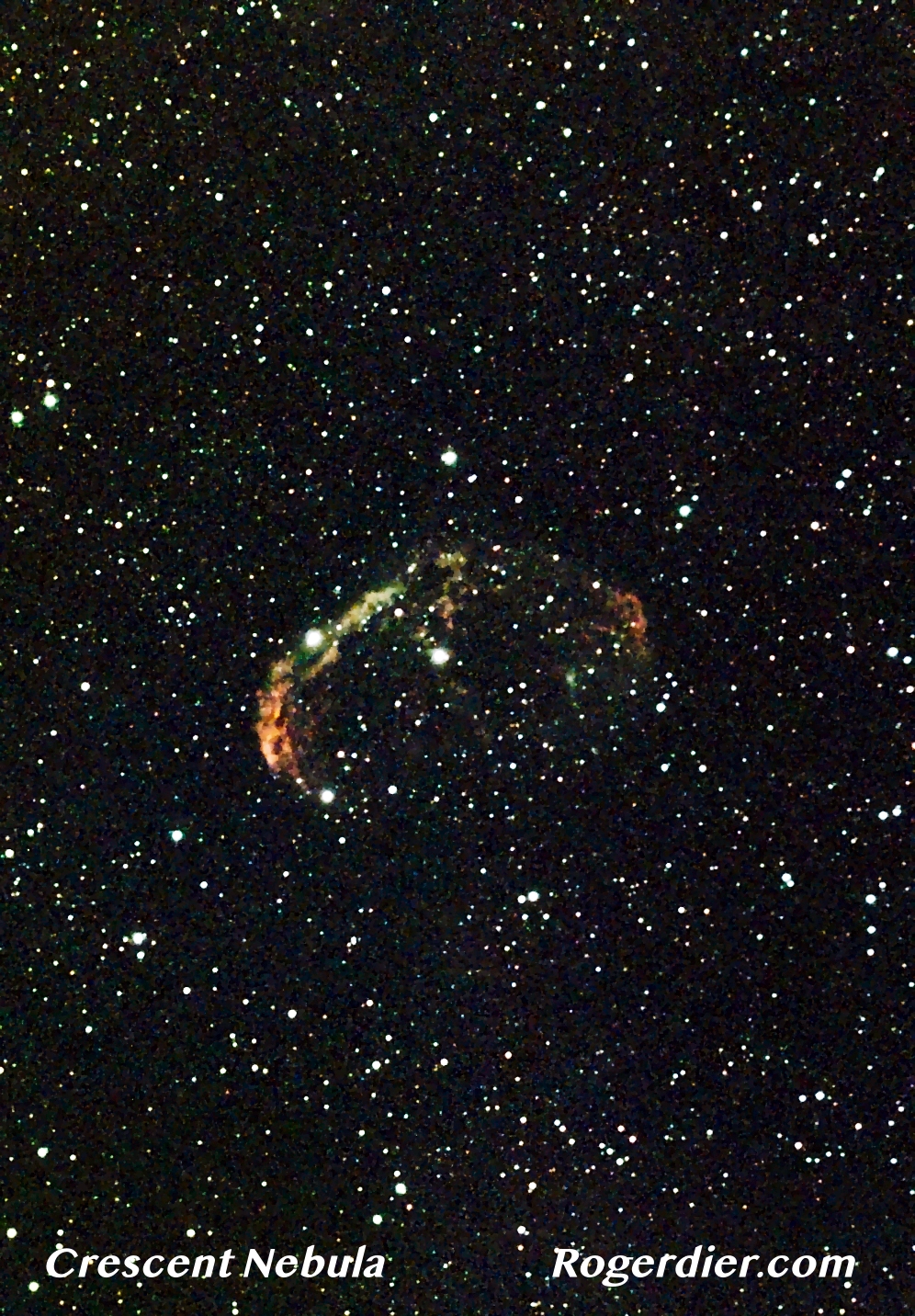
The rain stopped. The sky cleared. I cheered. I settled in for a few hours under Cygnus the Swan on the last day of June, 2024. The Northeast Wisconsin monsoon finally took a breather. Ours was a wet June, as it was for most states in the upper Midwest of the Lower 48. The prolonged…
-
Summer Delights on Late May Nights
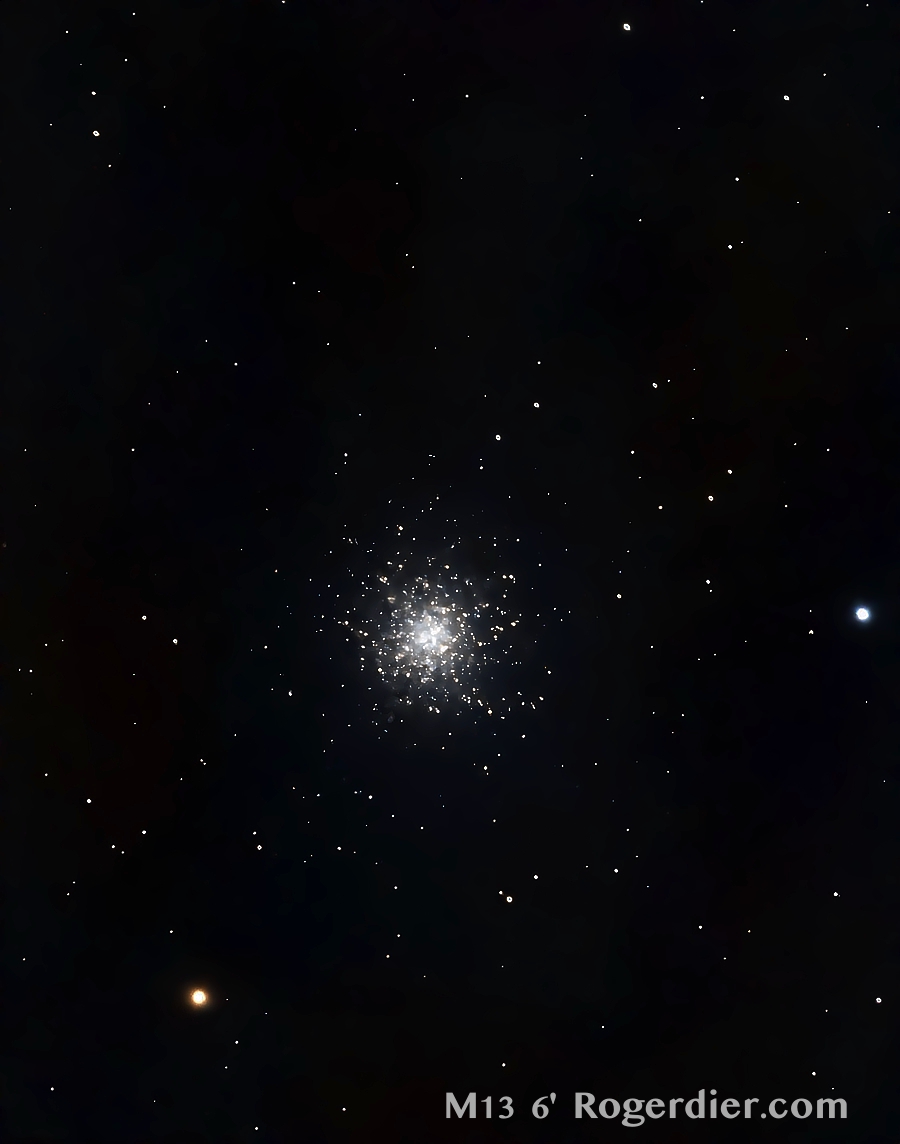
After two weeks dominated either by the moon or wet weather, it cleared up during the week of May 26. I was able to get outside on the evenings of May 29-30 to do some photography with the SeeStar S50, the little two-inch trumpet of discovery that I’ve had a crush on for the last…
-
The Aurora Arrives
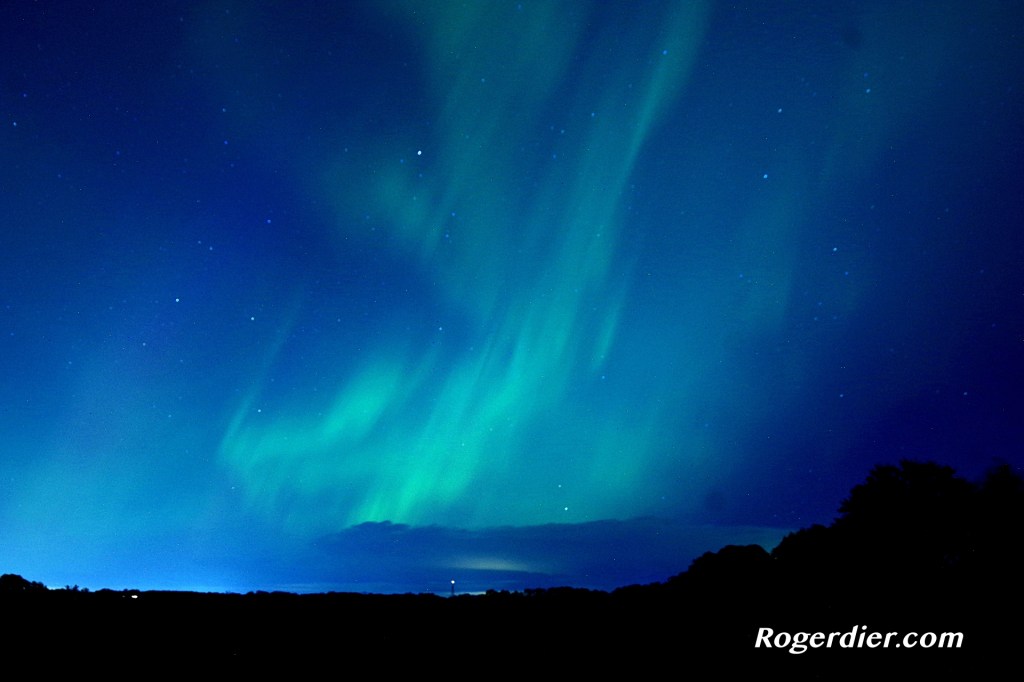
I drove 10 miles west to escape the Oshkosh, Wisconsin light dome. Rain moved through the area earlier in the evening, and fog began sitting on its silent haunches. I found a country road and parked at the top of a small hill above the moist air. I used a Pentax K-70 camera mated with…
-
Massive Solar Storm Heads to Earth
The plasma is coming. A massive solar storm is ejecting massive streams of radiation, which may intersect Earth this weekend. If that happens, people as far south as Alabama may experience a generational display of aurora borealis, also known as northern lights. Staffers at Rogerdier.com photographed the sun this afternoon. “I’ve never seen sunspots this…
-
The May Galaxy Hunt Continues
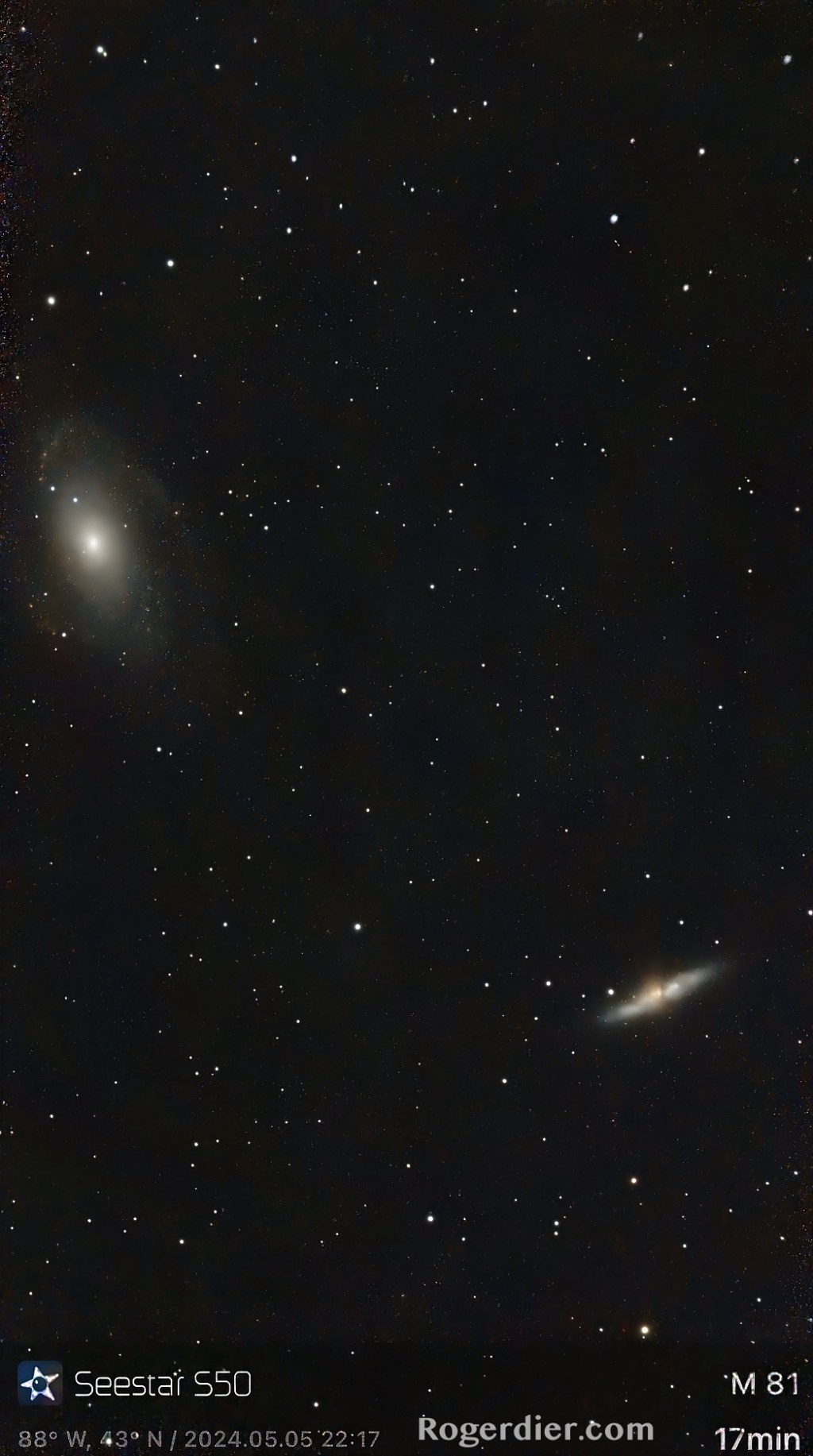
Leo’s Trio I decided to escape the Oshkosh Light Dome Sunday and drove about five miles west to a country road. Multiple astronomy Apps promised fine conditions but it wasn’t as clear or transparent as forecast. What else is new? It was quiet as dark settled over that country road in Winnebago County; the only…
-
May Means M51
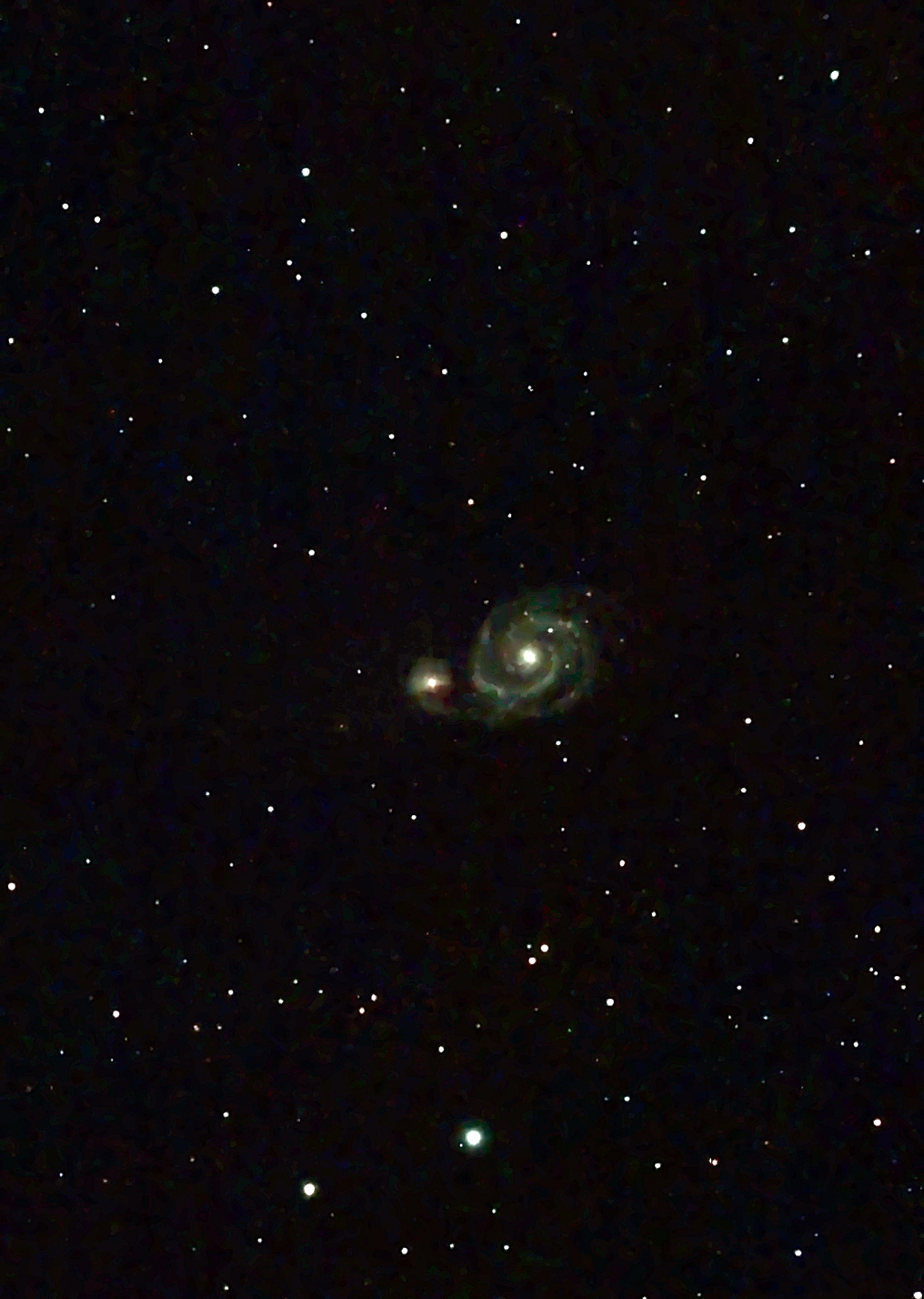
Friday night on May 3rd revealed mostly brighter stars in the sky over our home on the south side of Oshkosh, Wisconsin. At this time of year, viewed from 44 degrees north latitude, Ursa Major, aka the Big Dipper, is virtually overhead. I took advantage of the clear night and set up the SeeStar S50…
-
The Ten Tenets of Amateur Astronomy
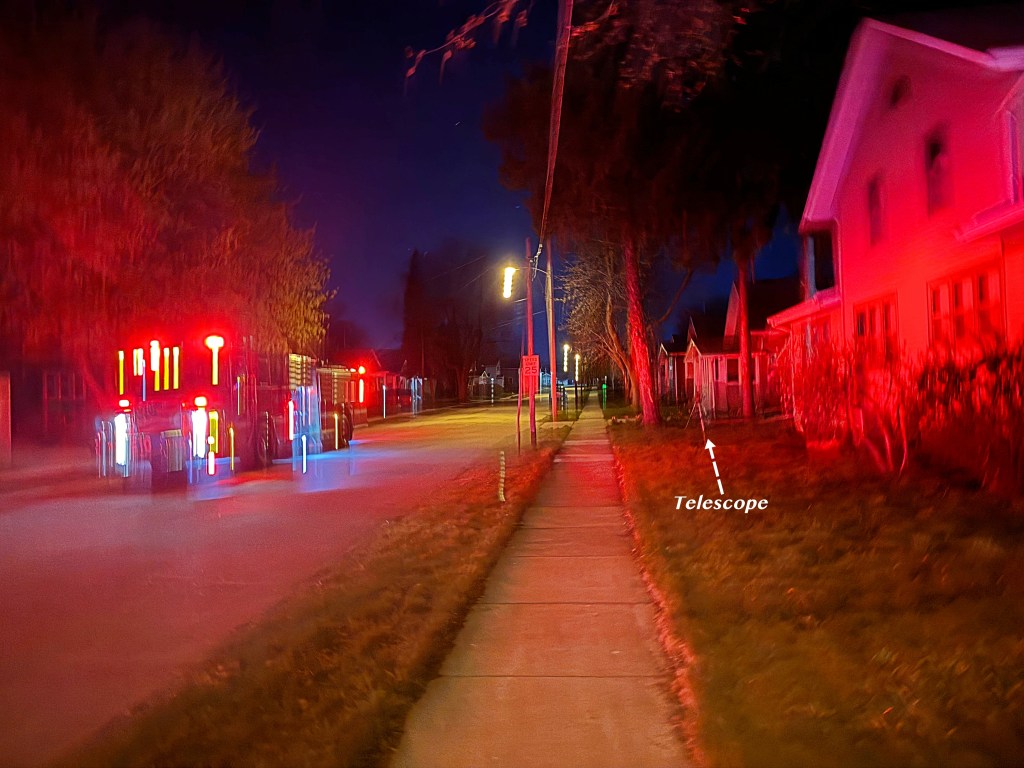
Six decades ago, I fell into the splendid misery of amateur astronomy. Along the way, certain natural and human patterns seem repetitious. I’ve identified 10 of them. If you have more, add them in the comments. Of Note The house fire mentioned in the 10 Tenets of Amateur Astronomy thankfully caused no injury to anyone.…
-
Subscribe
Subscribed
Already have a WordPress.com account? Log in now.
 Cosmic