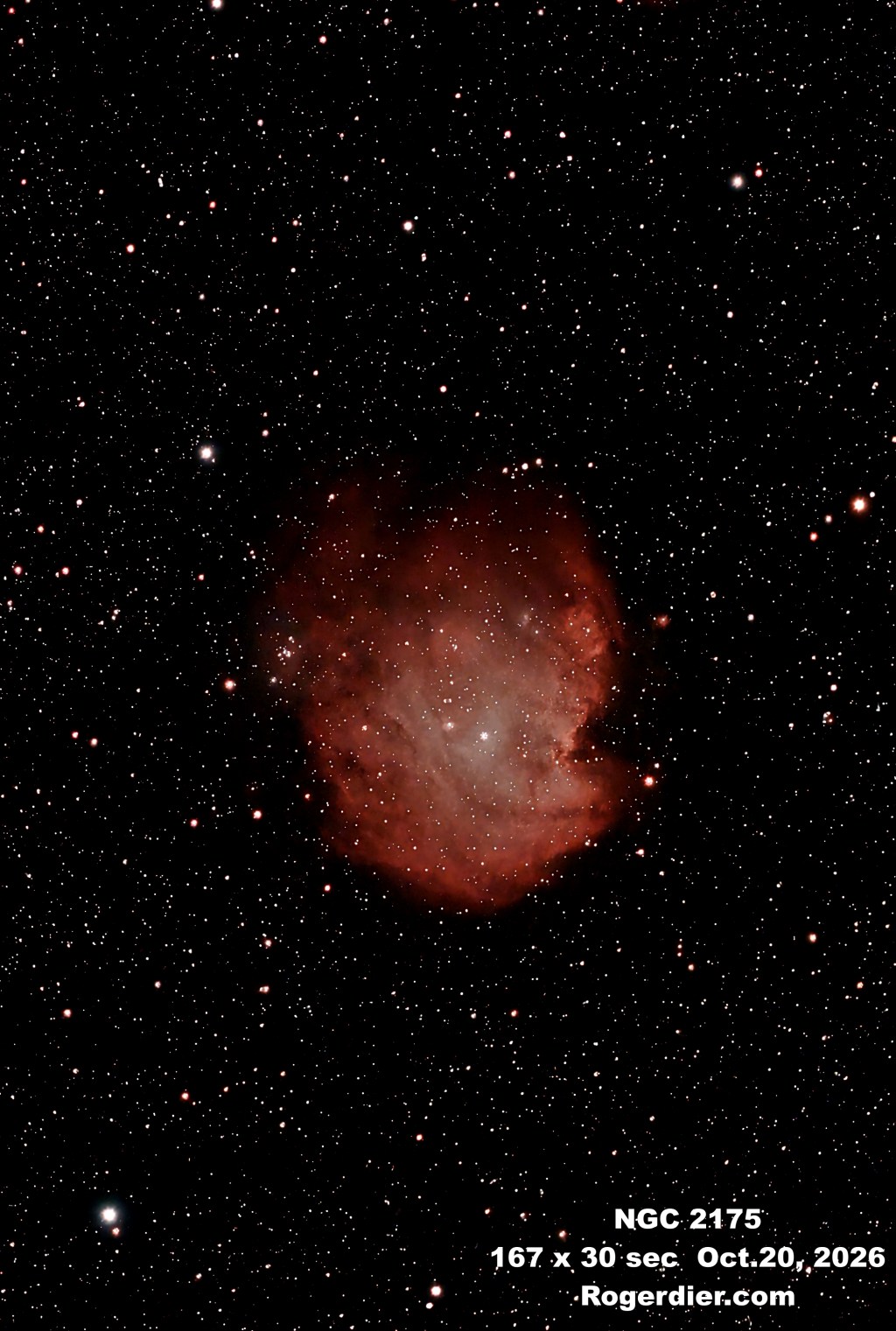
There are five major types of nebulae in the cosmos.
- Reflection Nebula
Reflection nebula are clouds of dust and gas that do not produce their own light. They reflect and scatter light of stars that are not quite close enough to heat the gas to ionization. Typically blue in color, the Pleiades is a bright example of reflection nebula.
2. Dark Nebula aka Absorption Nebula
This type of gas and dust cloud is so dense that it eclipses visible light of all things shining between us and the gas/dust cloud. When the outline of the dark nebula is silhouetted by stellar furnaces behind it, dramatic astro-photography often results. M42, the Orion Nebula, is a great example of dark or absorption nebula. So is the nearby Horse-head Nebula.
3. Planetary Nebula are expanding clouds of luminous gas and plasma that were ejected from old, dying stars. Often roundish so they appear planet-like in eyepieces and photon receptors on or orbiting Earth, these stellar smoke rings are lit by the remnants of the dying star left behind. The Ring and Helix nebulae are vivid examples of planetary nebula.
4. Supernova Remnants are the illuminated debris of a star that died in a violent explosion. Some big ones were so bright they were seen in the daytime by ancient civilizations. In 1054, a distant star in the constellation Taurus blew up and was visible in Earthen daylight for 23 days. Today we call that still-exploding remnant the Crab Nebula. Supernovas happen often in the cosmos; the Veil Nebulae group are also examples.
5. Emission Nebula, like the feature photo of this post, are clouds of high temperature gases that shine because ultraviolet radiation of nearby hot young stars ionizes the gases in the cloud. Hydrogen, the most basic ingredient in the cosmos, appears red in the spectrum.
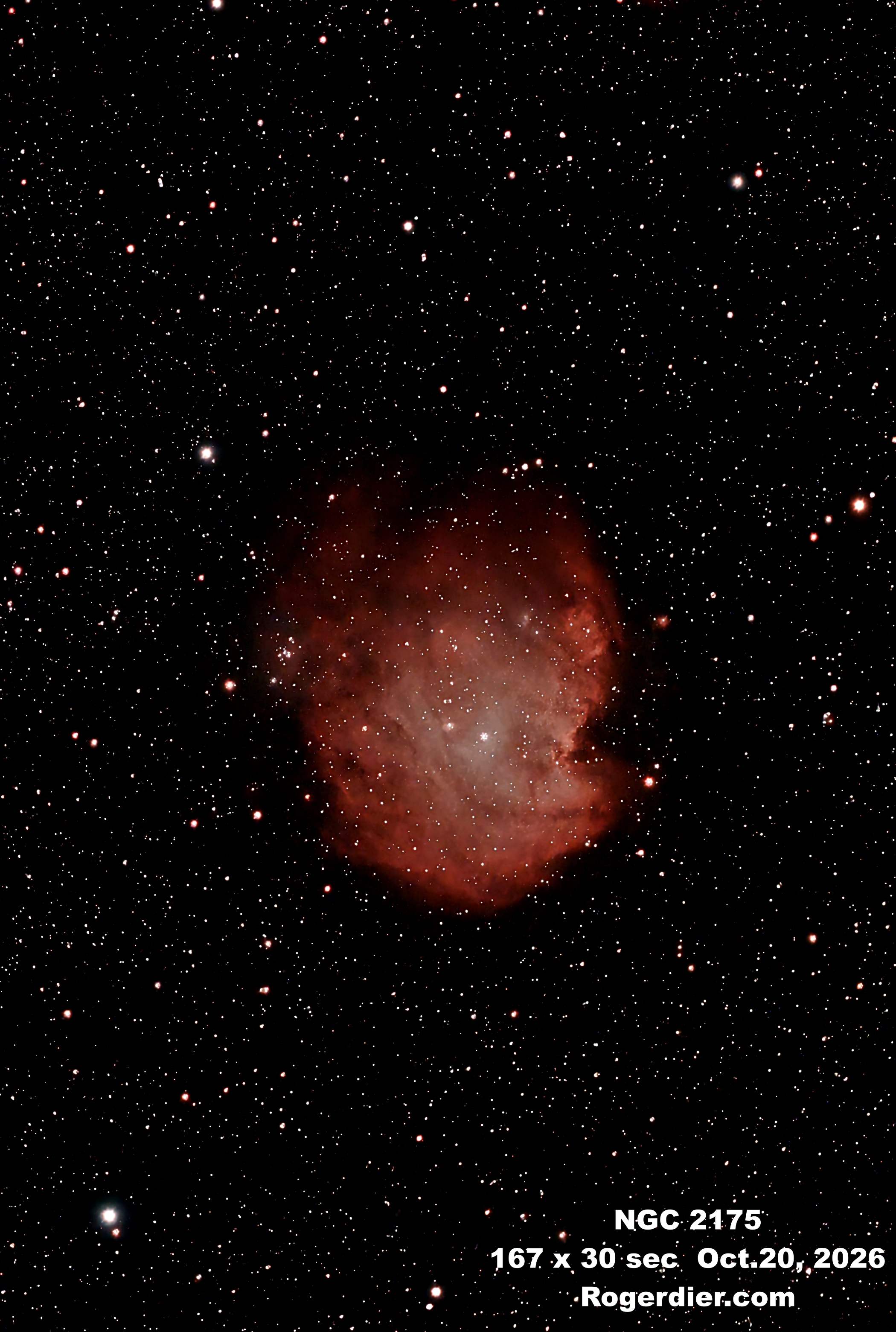
NGC 2175 is an open star cluster whose stellar energy ionizes the gas near it. This is the first time I photographed this nebula. Technically, NGC 2174 is the emission nebula, but both the nebula and the open star cluster giving it energy are interchangeable items in astronomy, referred to as NGC 2174 or NGC 2175 or NGC 2174/2175.
M31
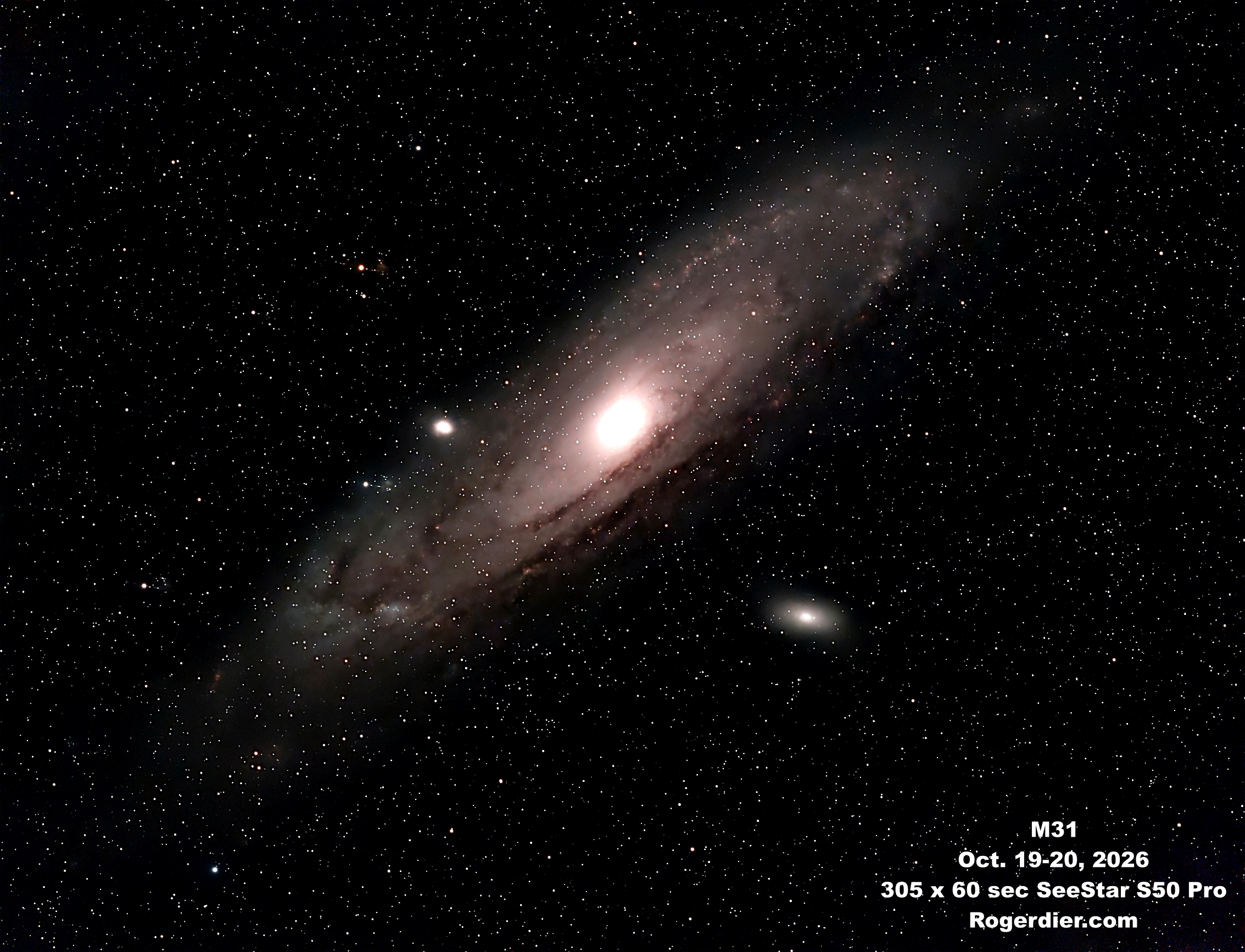
The Great Andromeda Galaxy gets a lot of attention by amateurs at this time of year in the Northern Hemisphere. Because we can view the galaxy sort of edge on, as it appeared 2.5 million light years ago, we can plainly see the thick gas and dust clouds that absorb the light of stars behind it. Make note of that; it’s on the test. Amateurs like me are fond of shooting the Andromeda Galaxy over and over to improve the detail of our previous images and to feed our addiction to the aesthetic pleasure this beautiful galaxy and its two attendant galaxies provides.
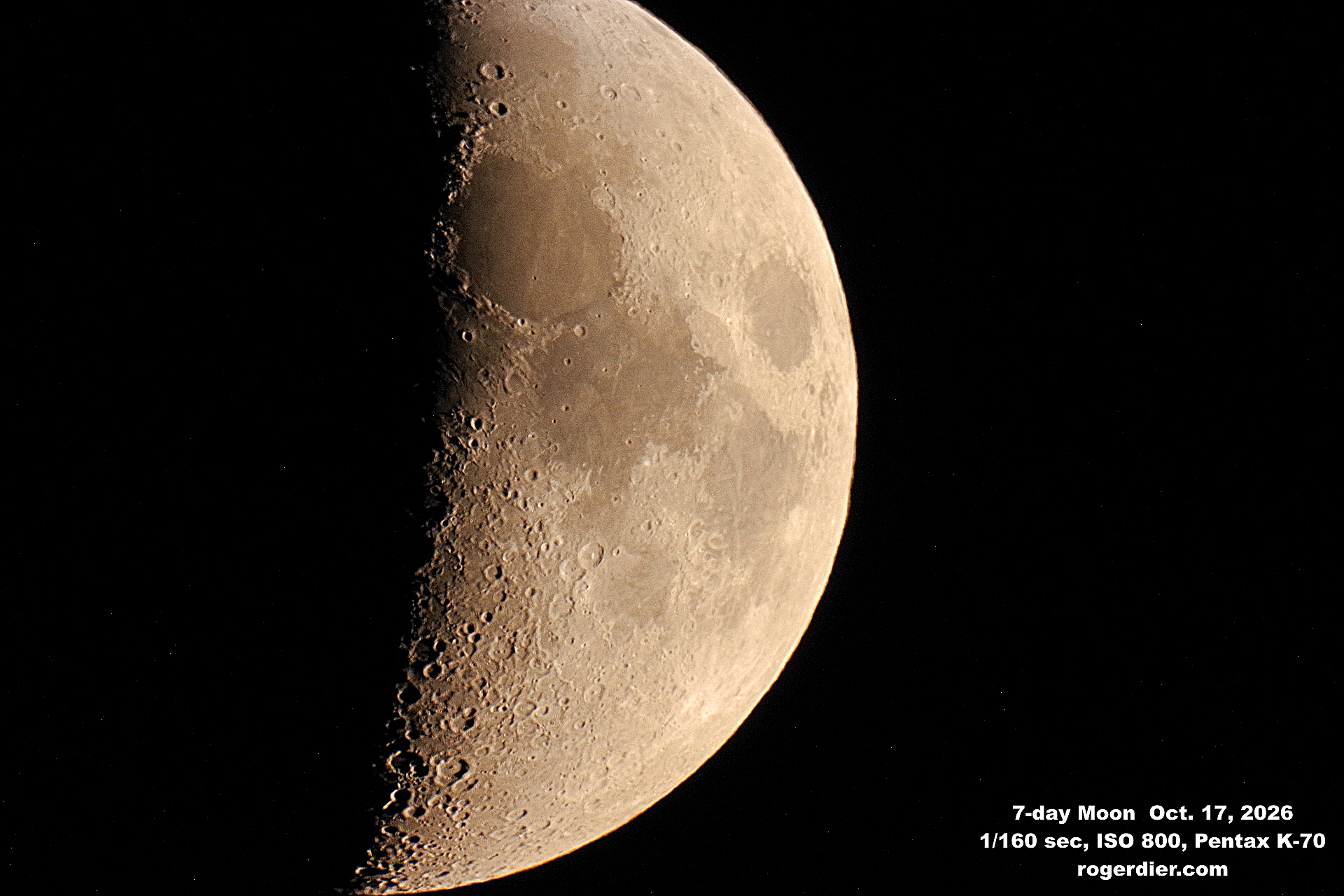
The Vixen Returns
As we continue our slow unpack from our recent move from lands to the east, the Vixen was finally discovered under acres of totes and boxes. Reassembled and mated to an ancient Pentax K-70 camera, the pair captured the nearly first-quarter moon of October 2026.
Thank you for reading. Eat the right foods, get plenty of rest and make good decisions to protect the most valuable commodity you own: Your health.
